
(Click on pictures to enlarge where necessary)
Having decided not to travel north I had much more time to explore the Department of Boyacá. The first day or two, I will confess, I wasn’t sure it was the friendliest place.
My cries of ‘Buenas!’ (shortened version of Buenas tardes, or ‘good afternoon’) were met with a muted ‘Buenas tardes, Señor’. Compared to Antioquia, where the Paisas (as the locals are known) are super casual, obvious and sometimes loud in their welcomes, it seemed a different world.
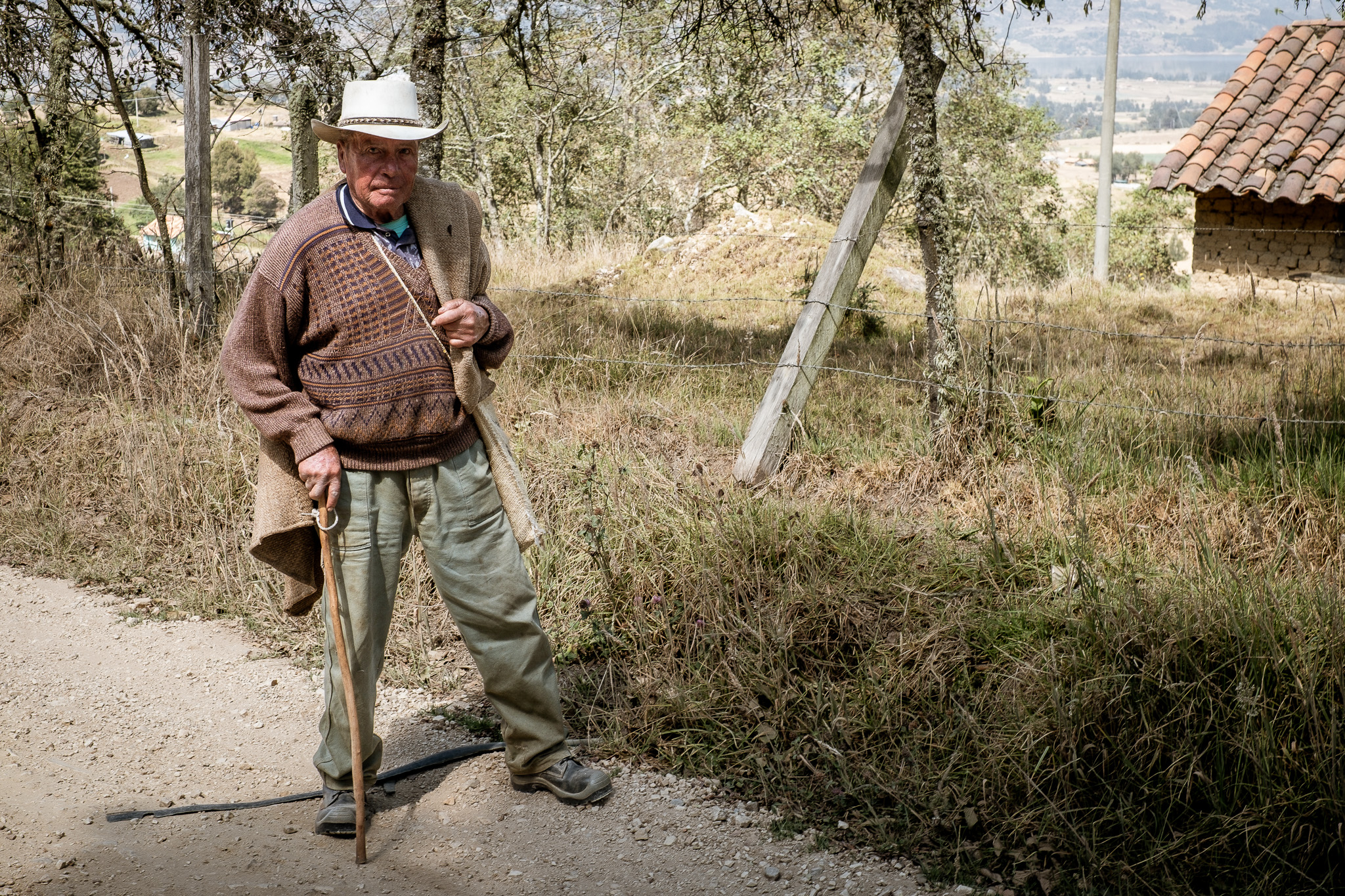
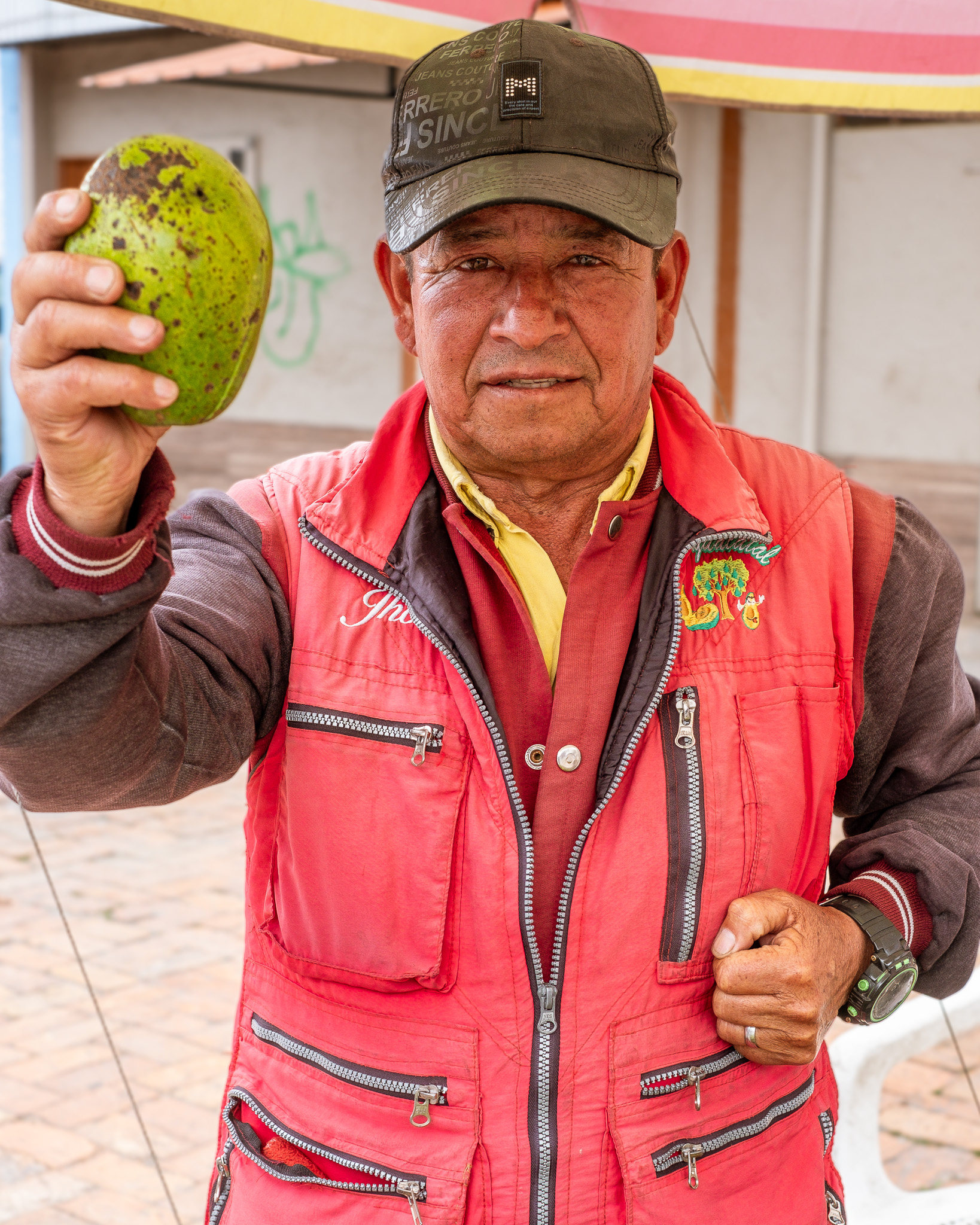
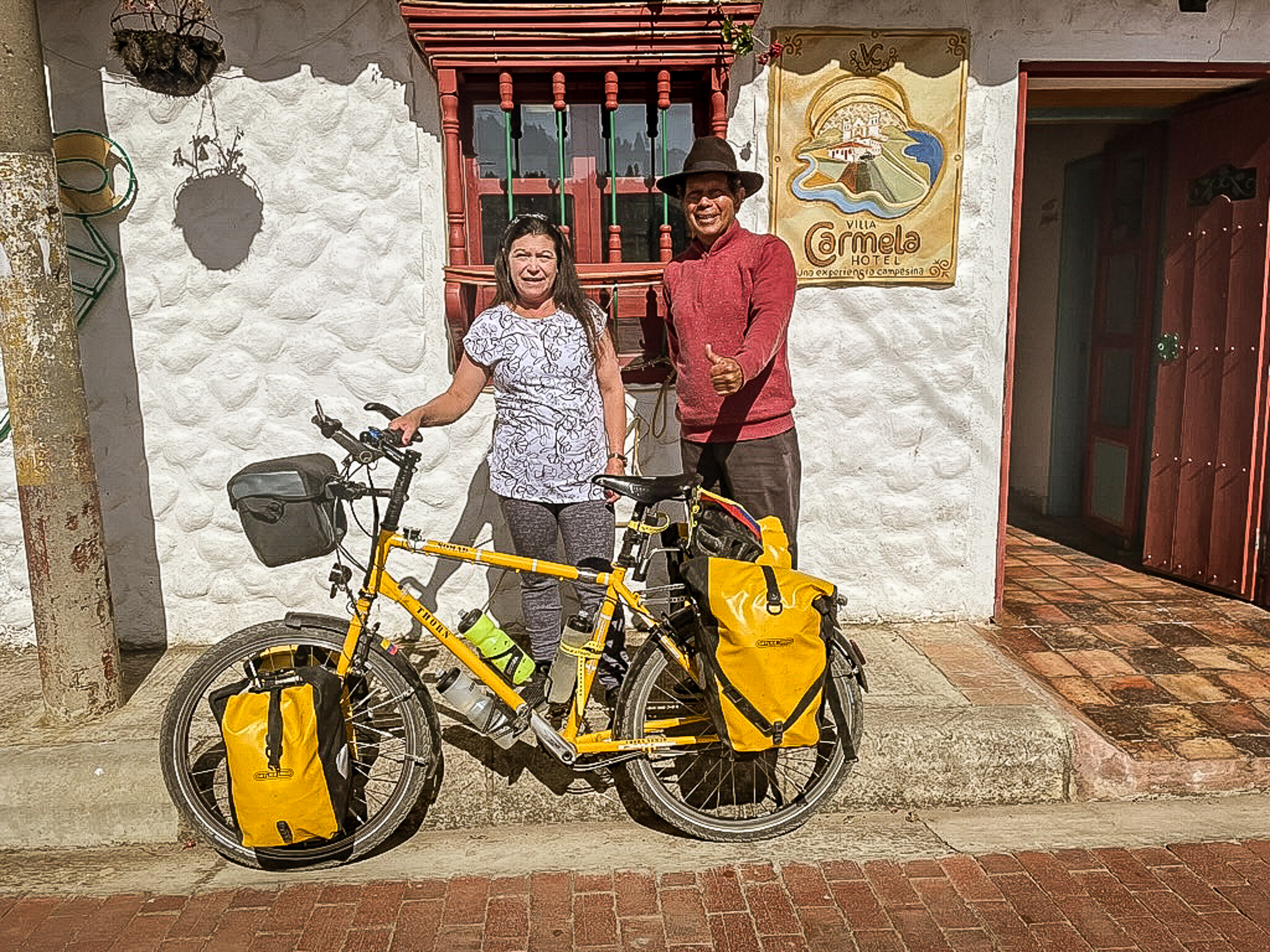
But I quickly learned that it is simply the start of conversation that is more formal, once I got chatting with people it was clear that there was the same Colombian friendliness and I had great interactions with loads of people, whether in the country or towns.
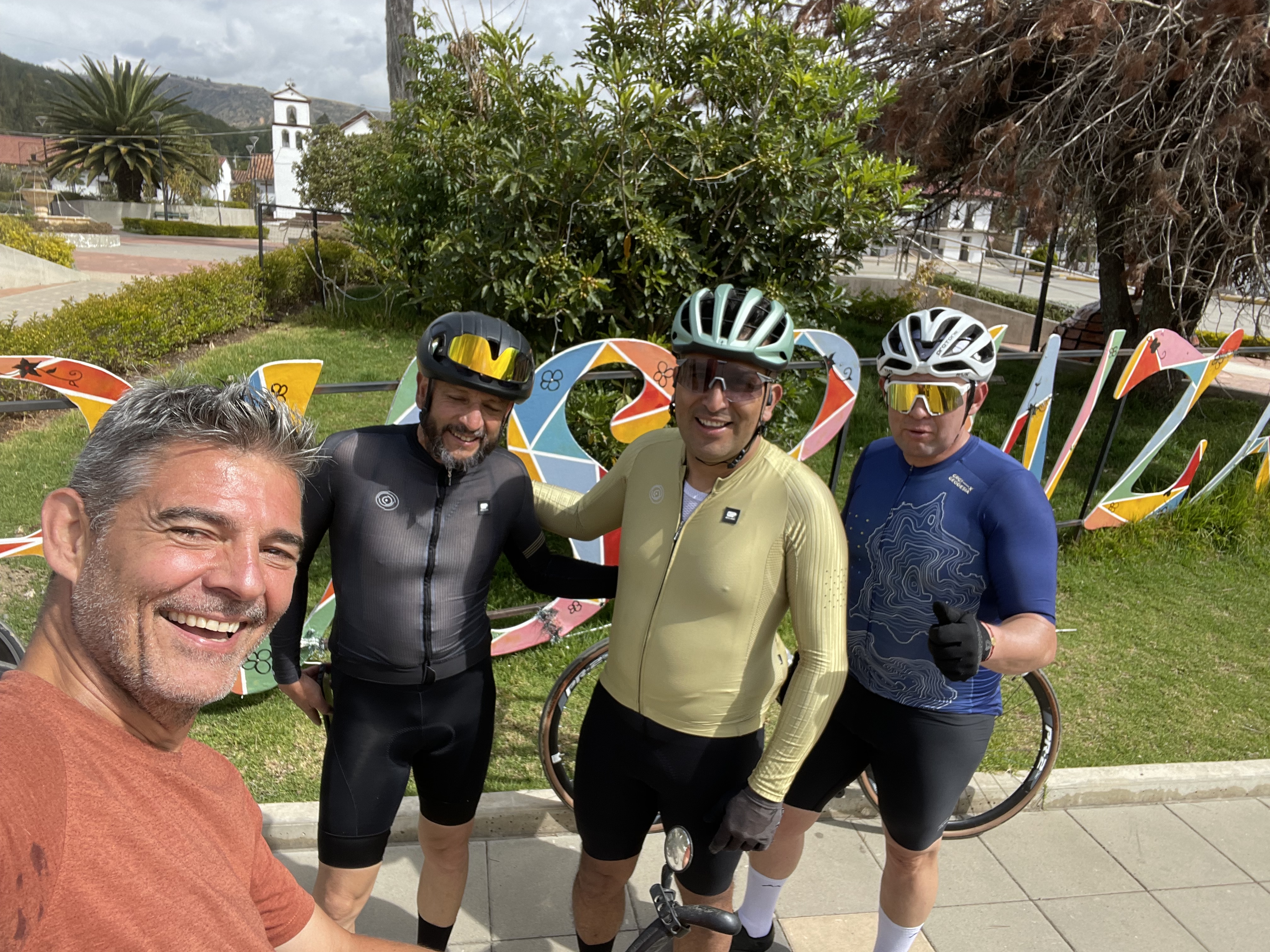
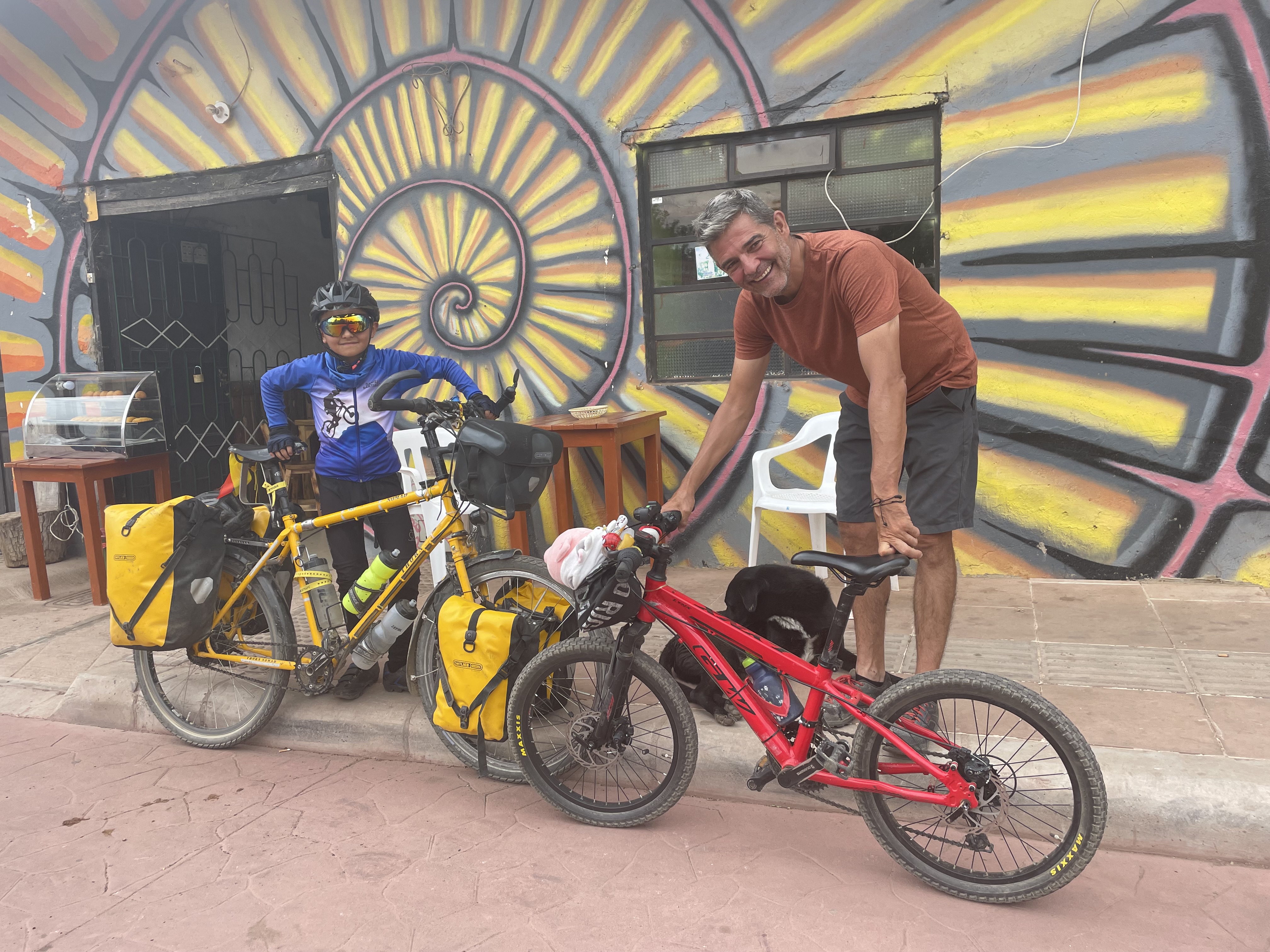
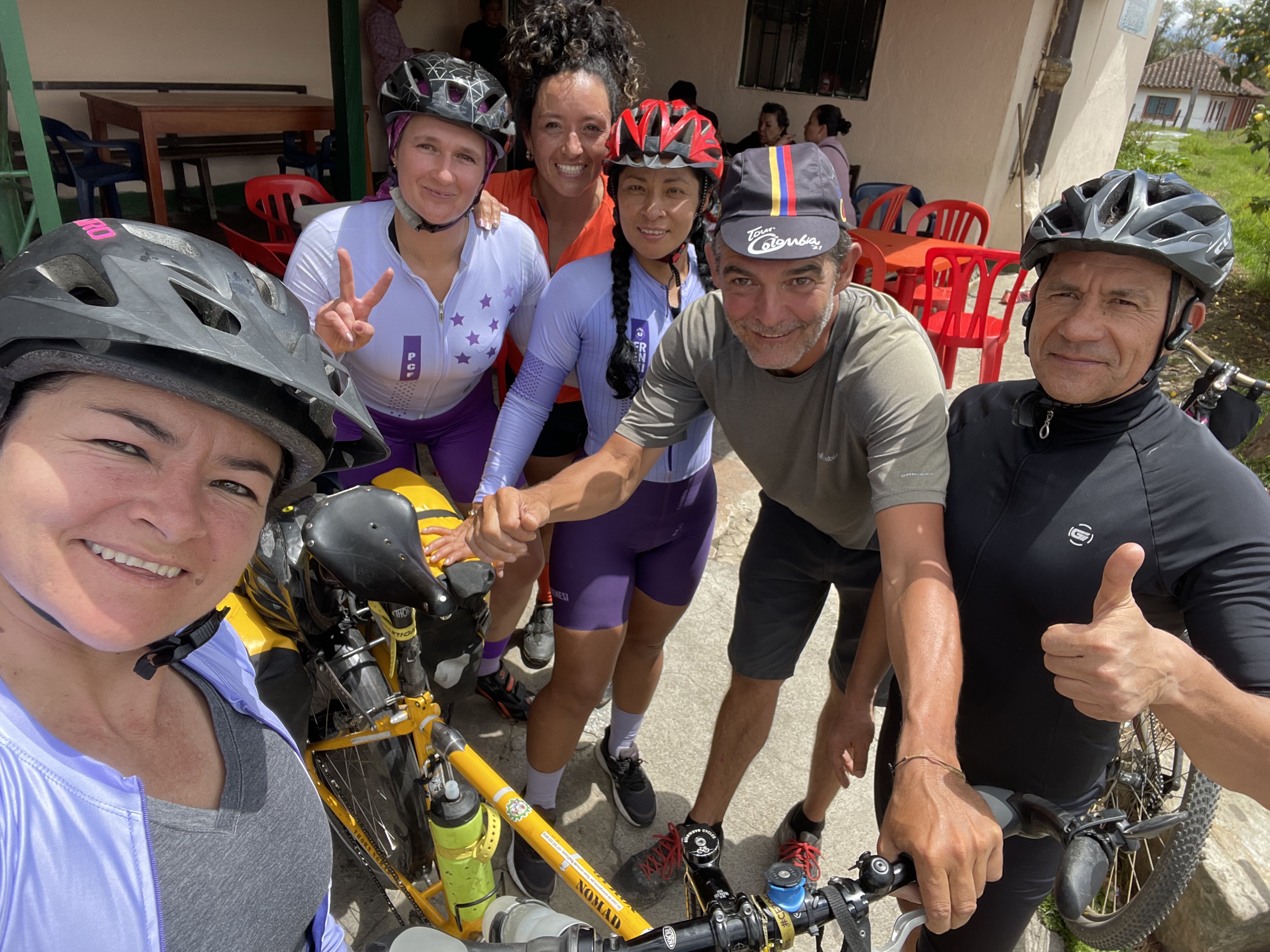
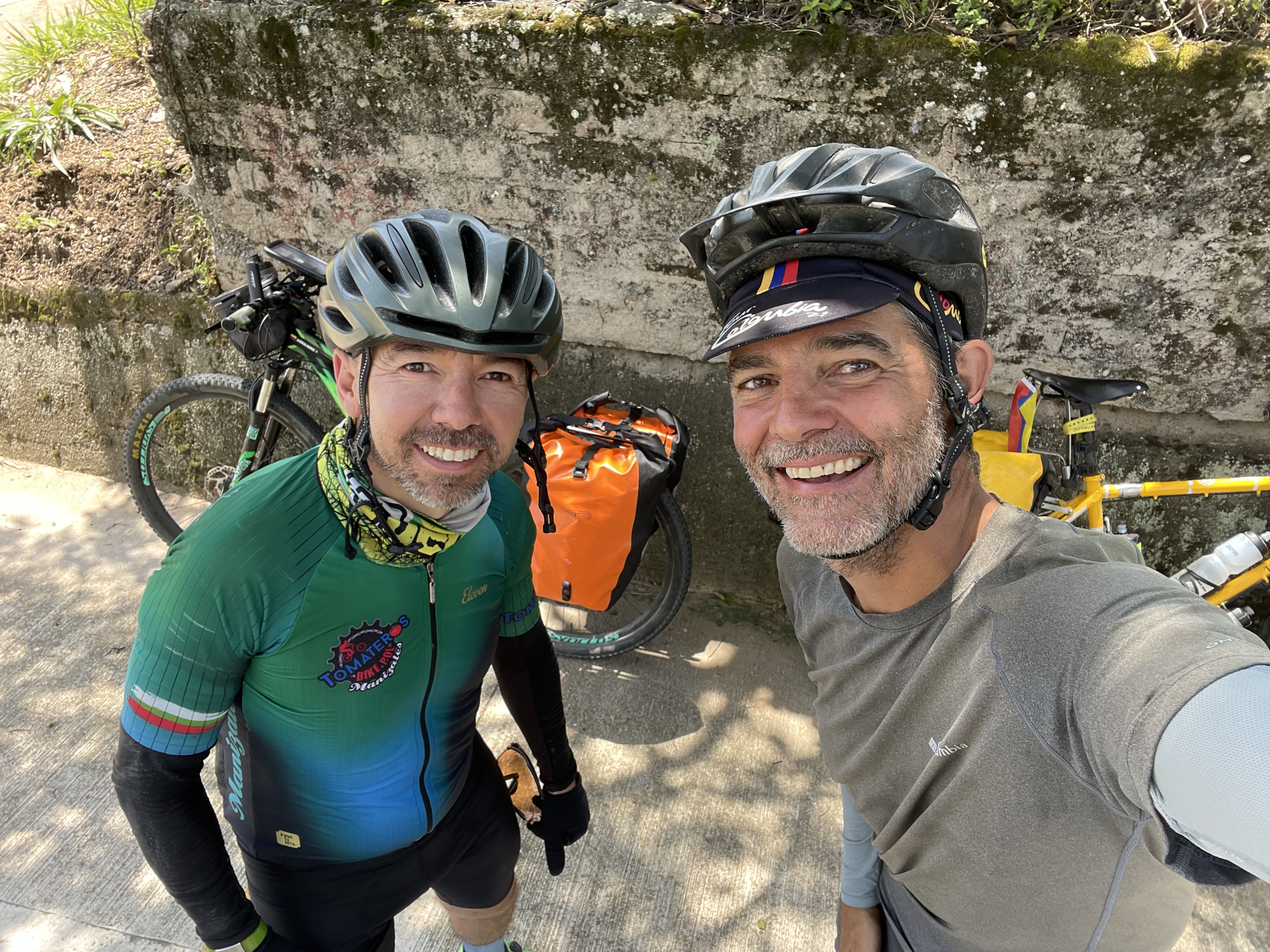
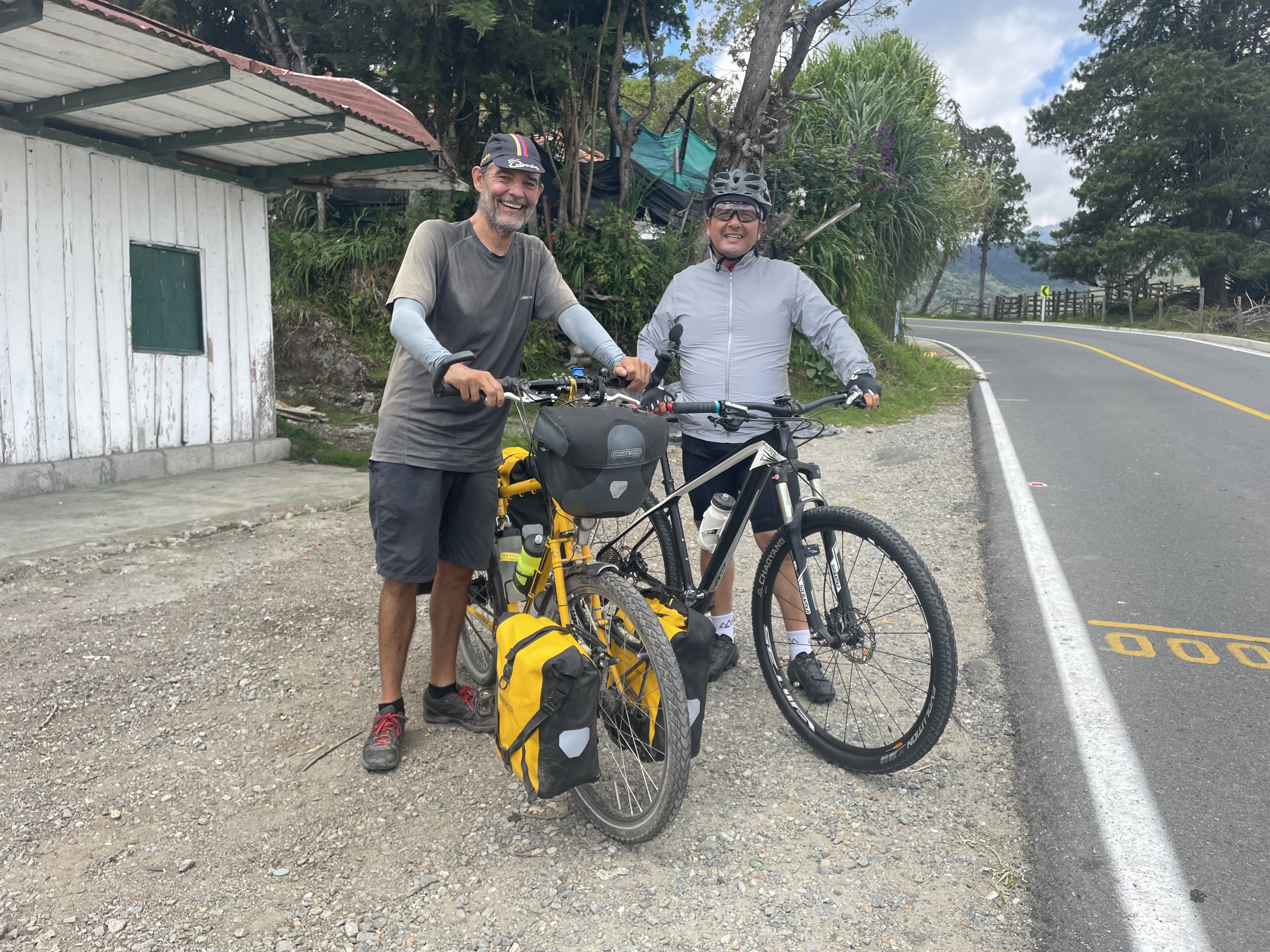
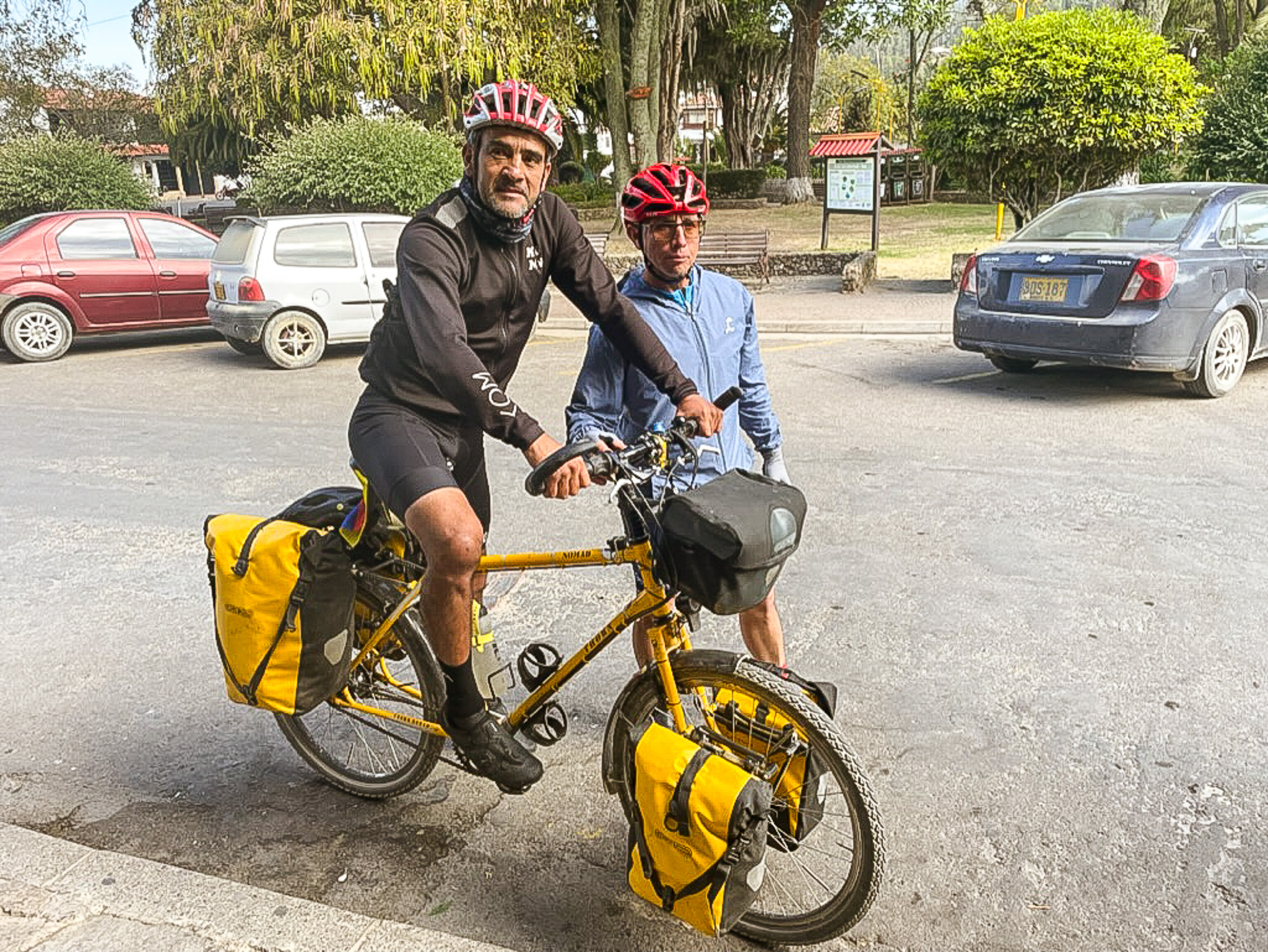
Even the cyclists here were friendly (which, curiously, hasn’t always been the case). I ended up sharing a great ride with one group, even swapping bikes for a while. The difference between 8kgs and 48kgs is quite something to behold.
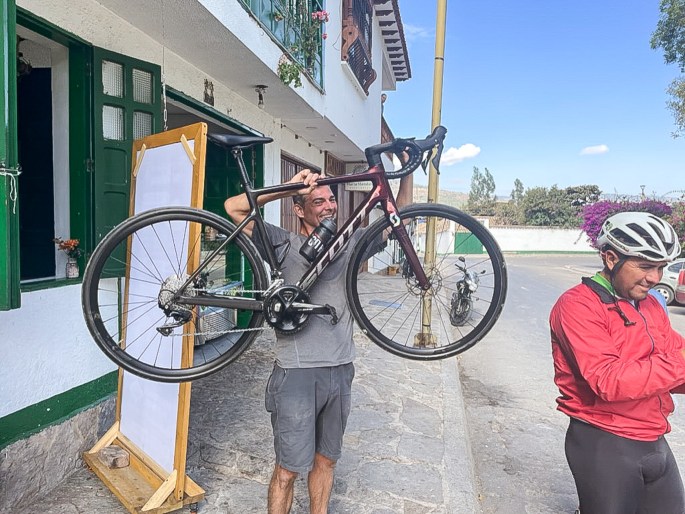
When meeting other cyclists, they often try to pick up my bike, only then realising what a fully-laden expedition bike weighs. I often let them try pedalling if they wish. Only a couple of times have they immediately fallen over as the weight catches them off balance. Thankfully no harm done (apart from maybe a little pride).
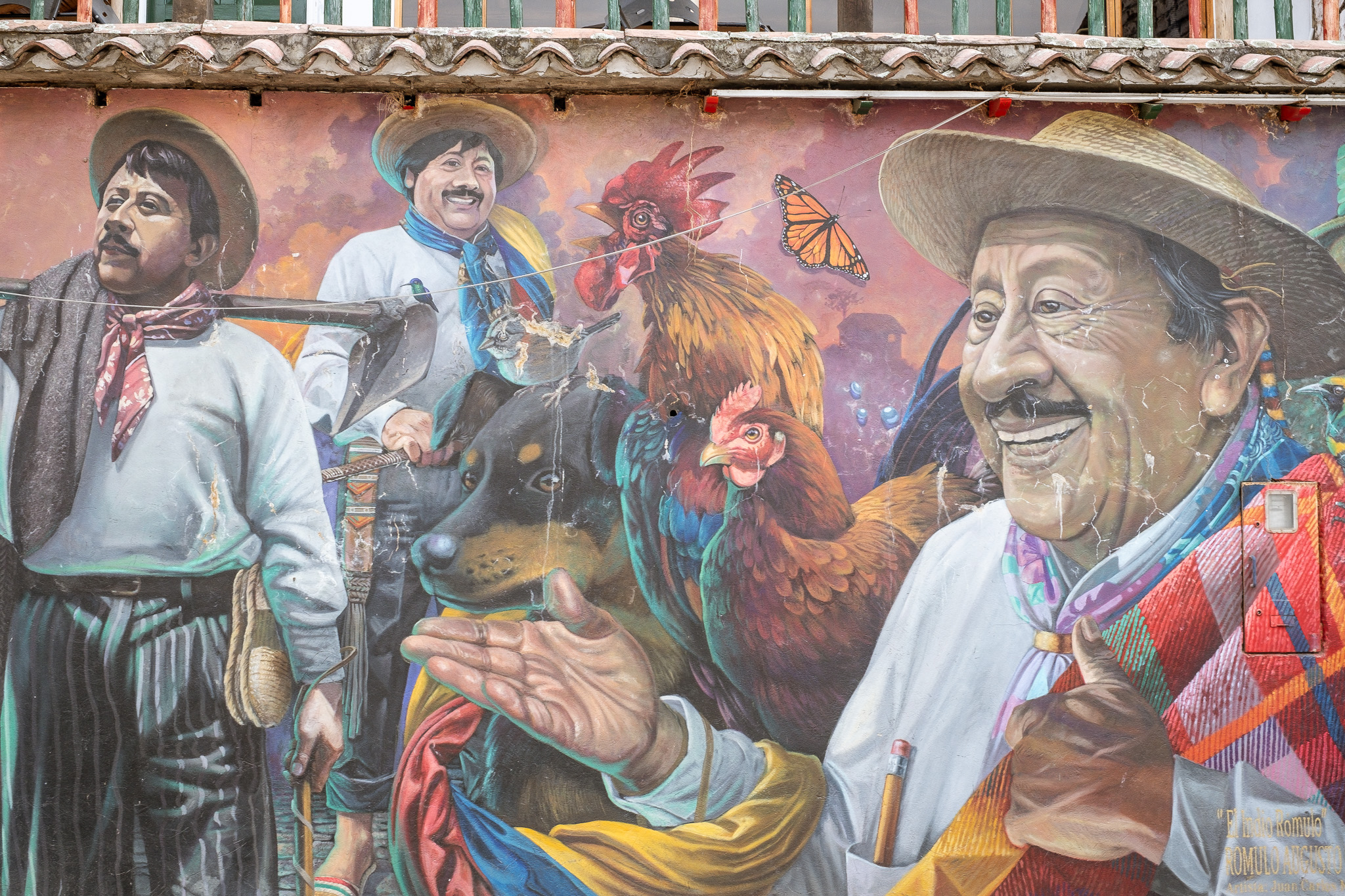
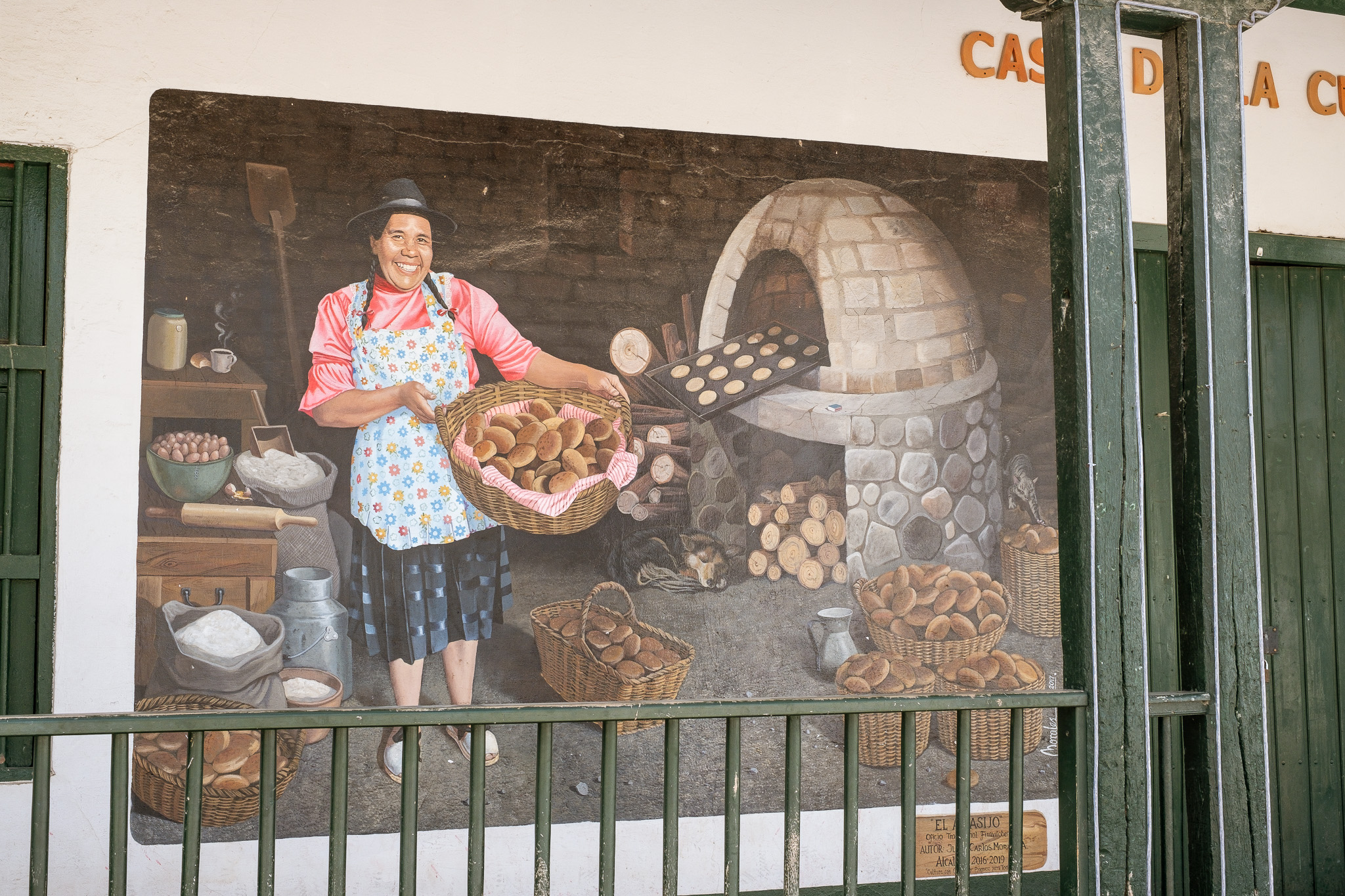
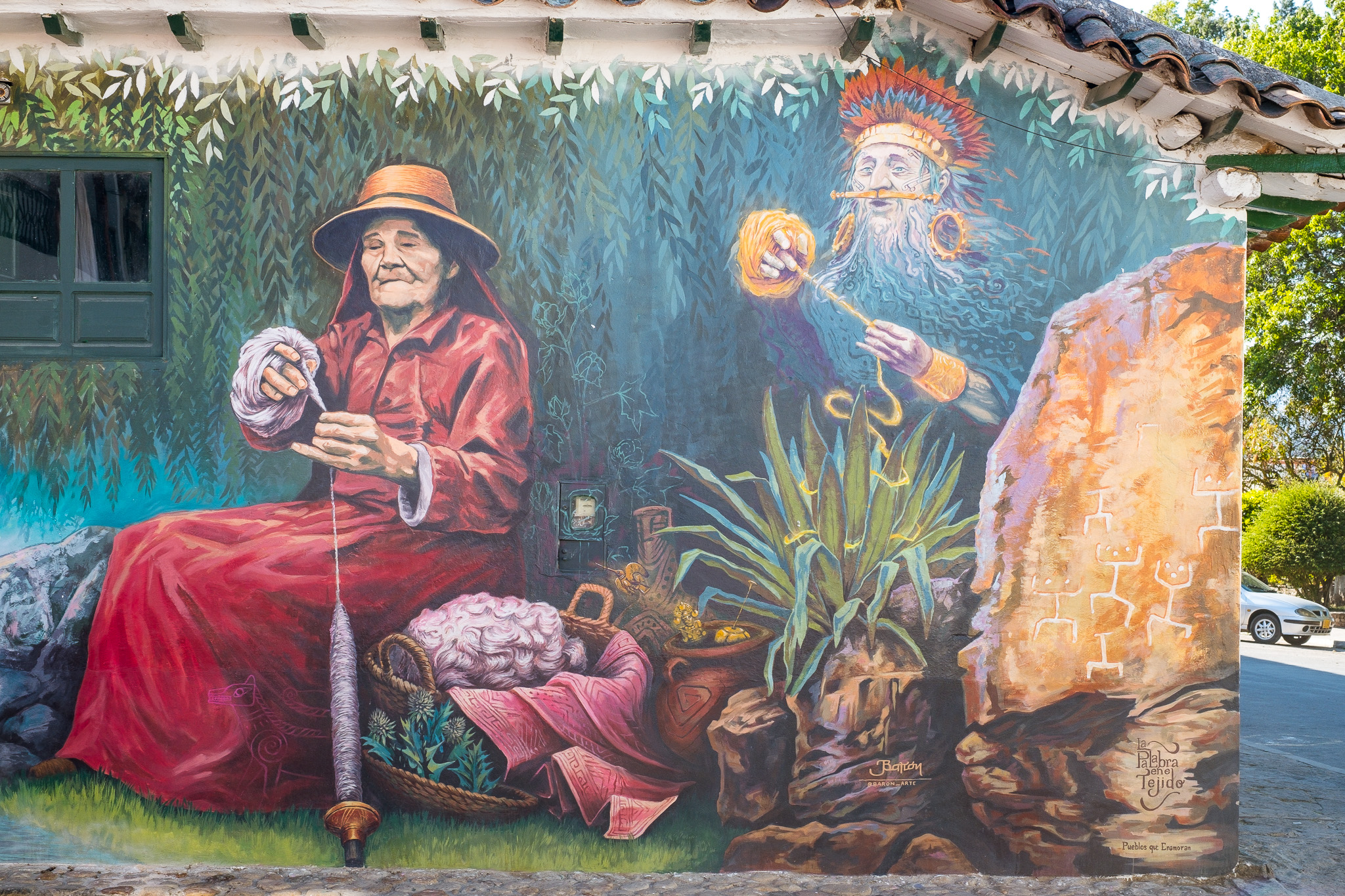
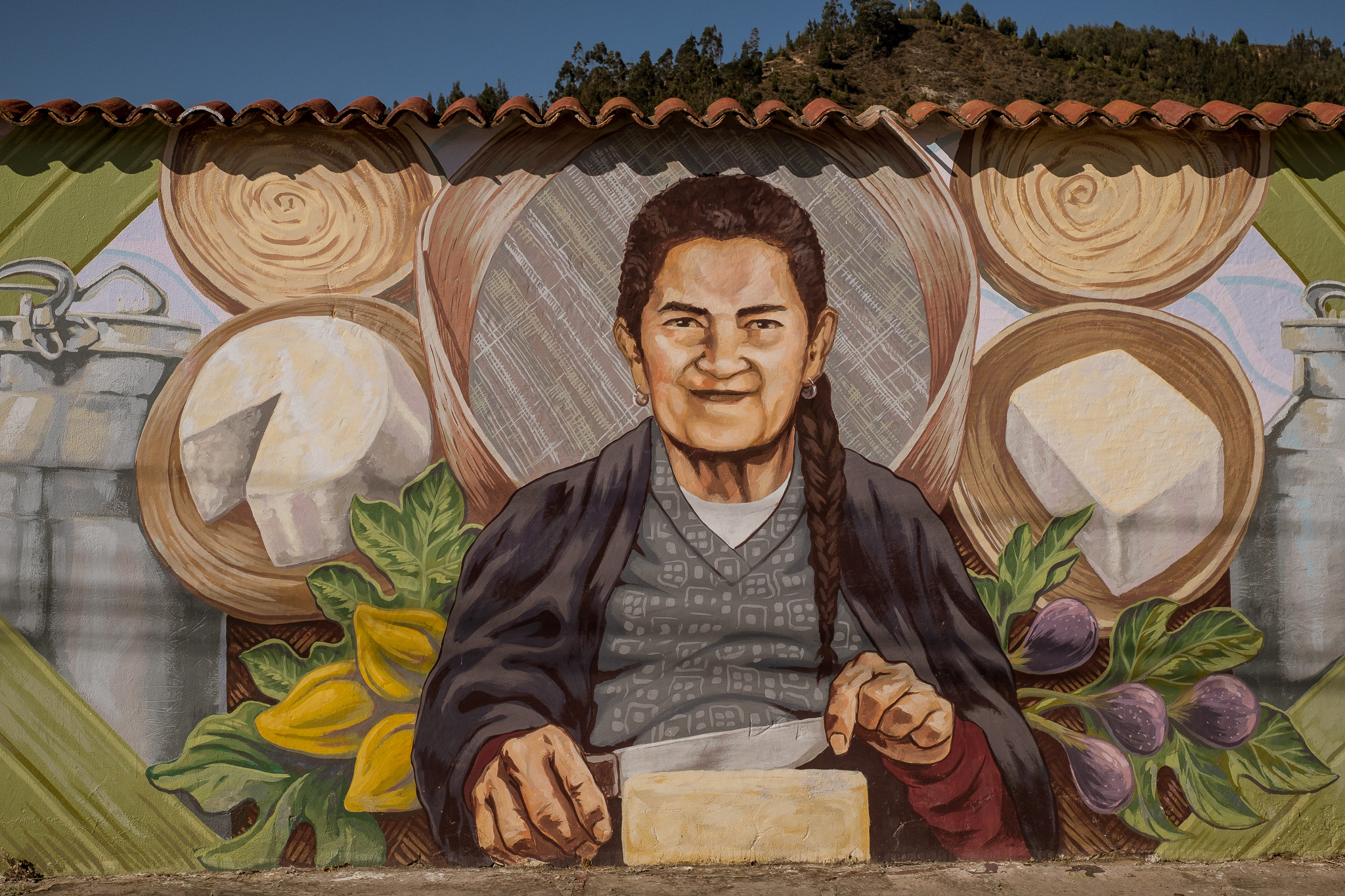
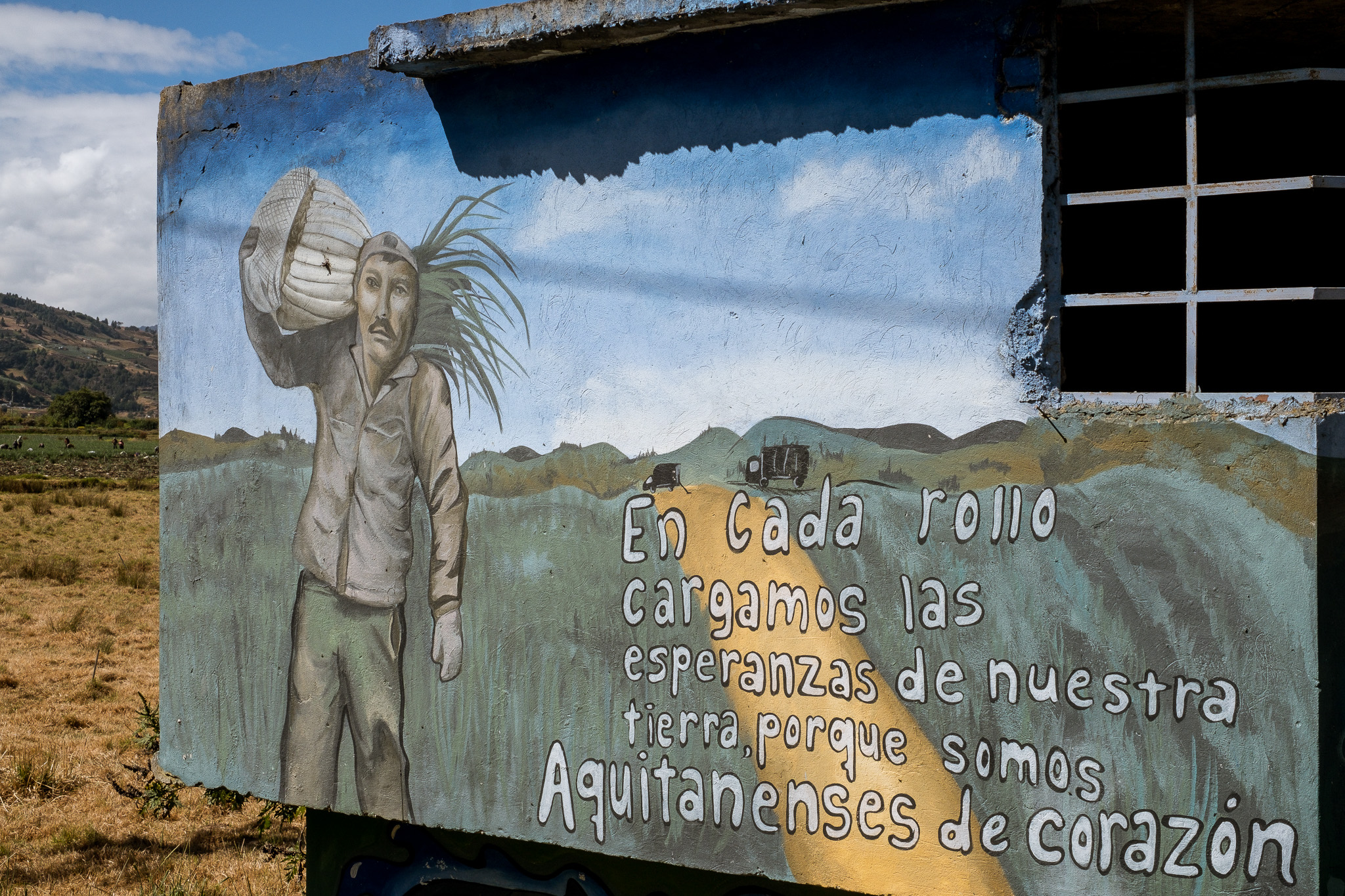
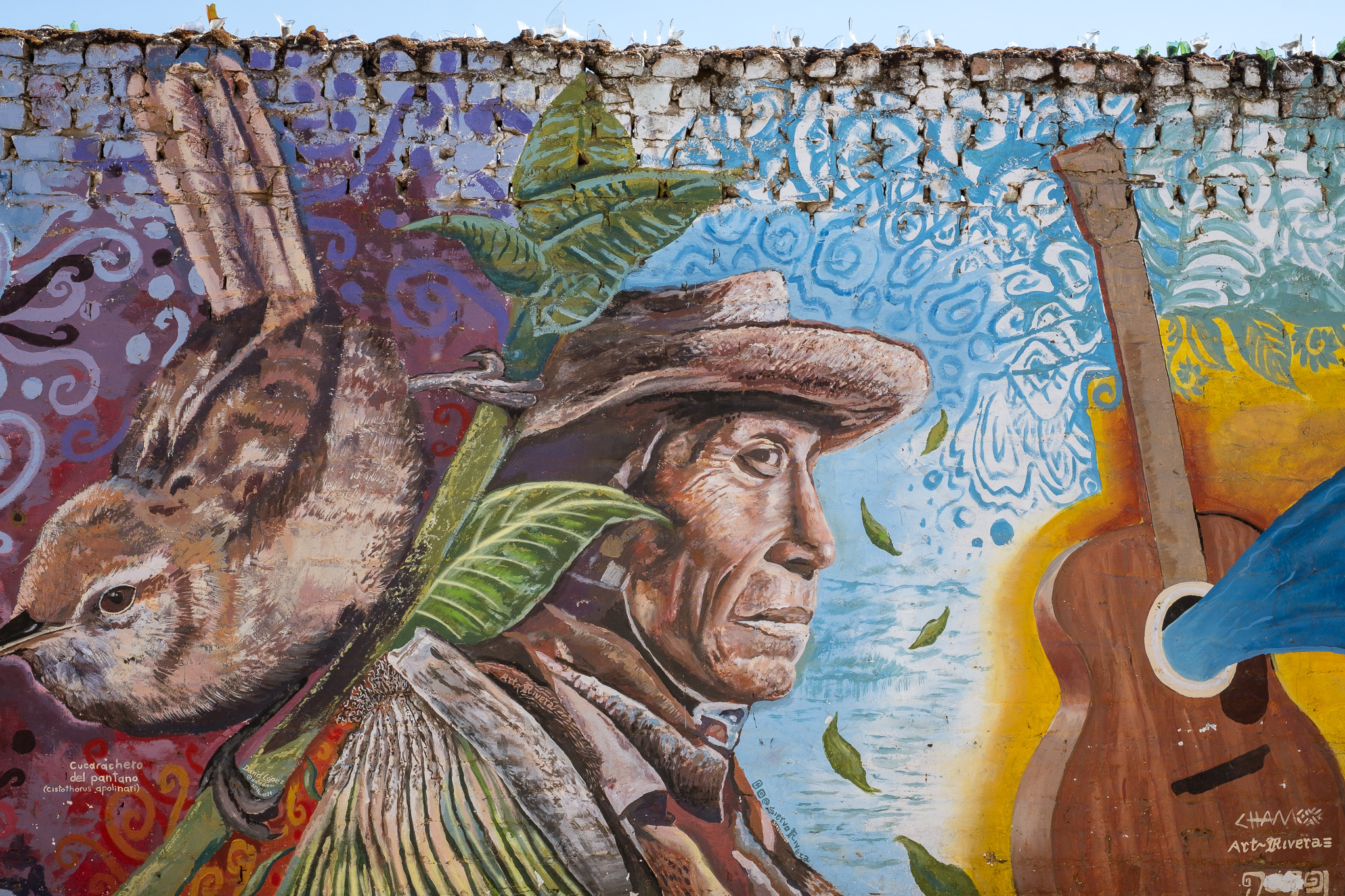
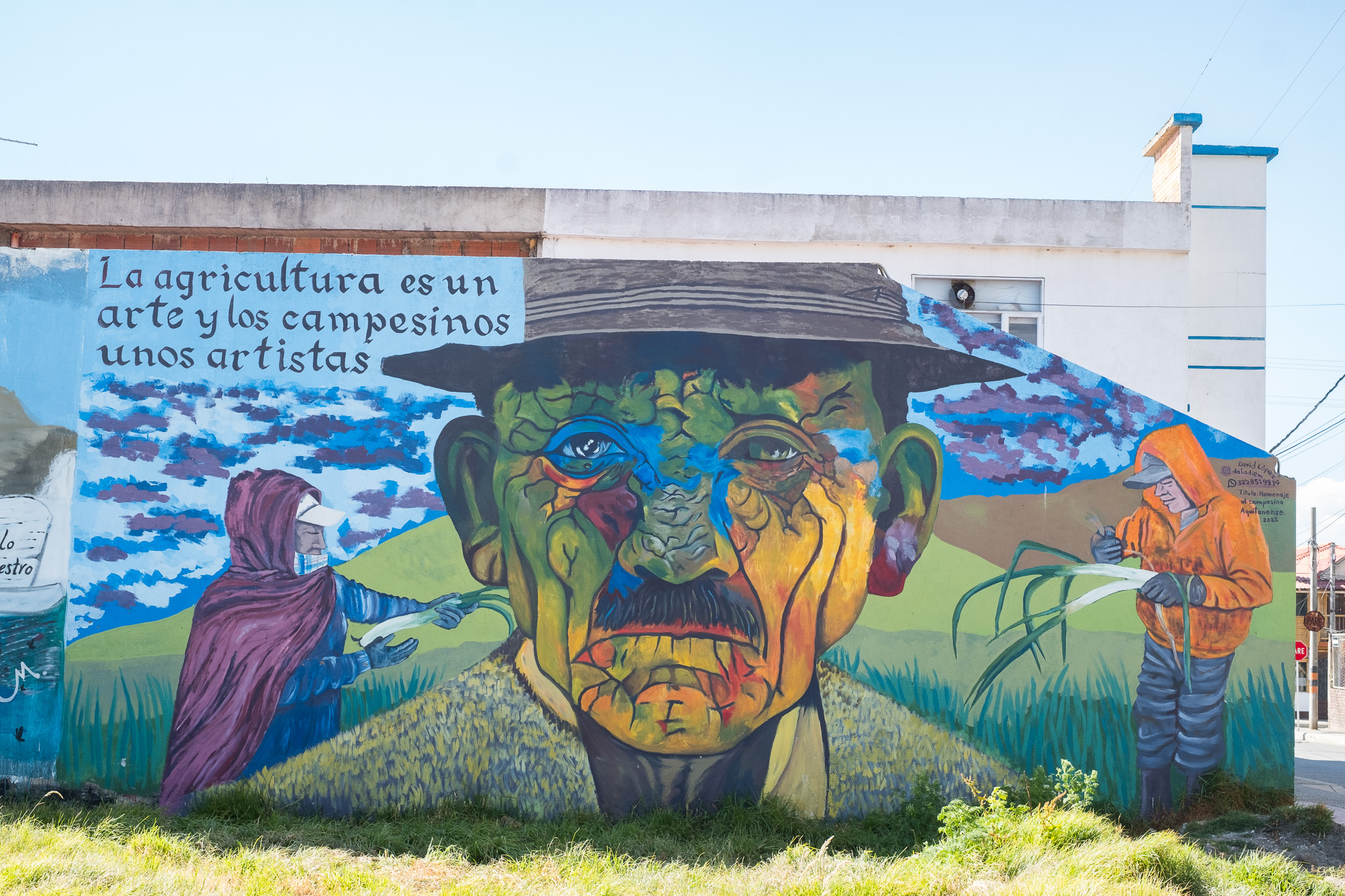
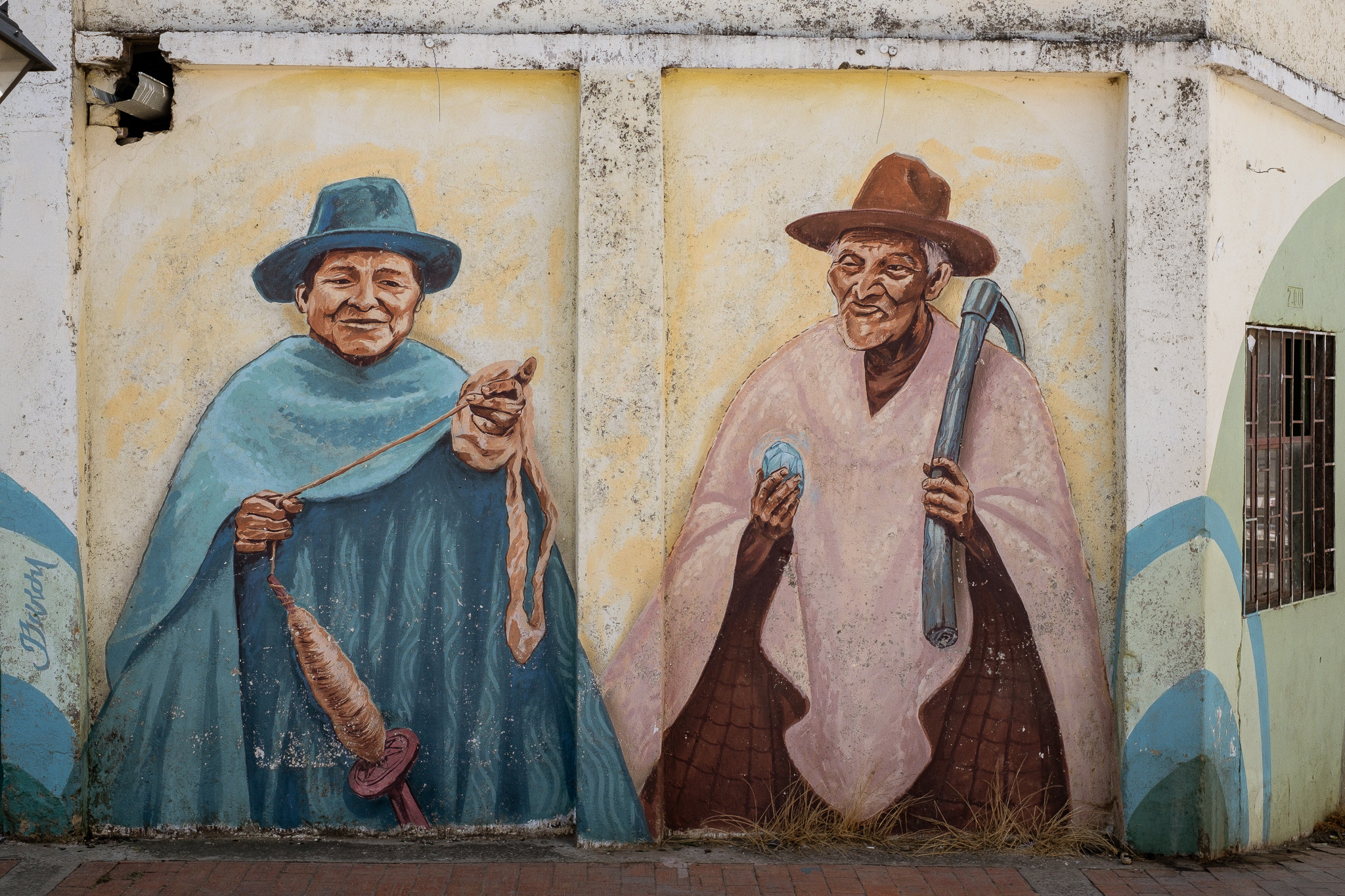
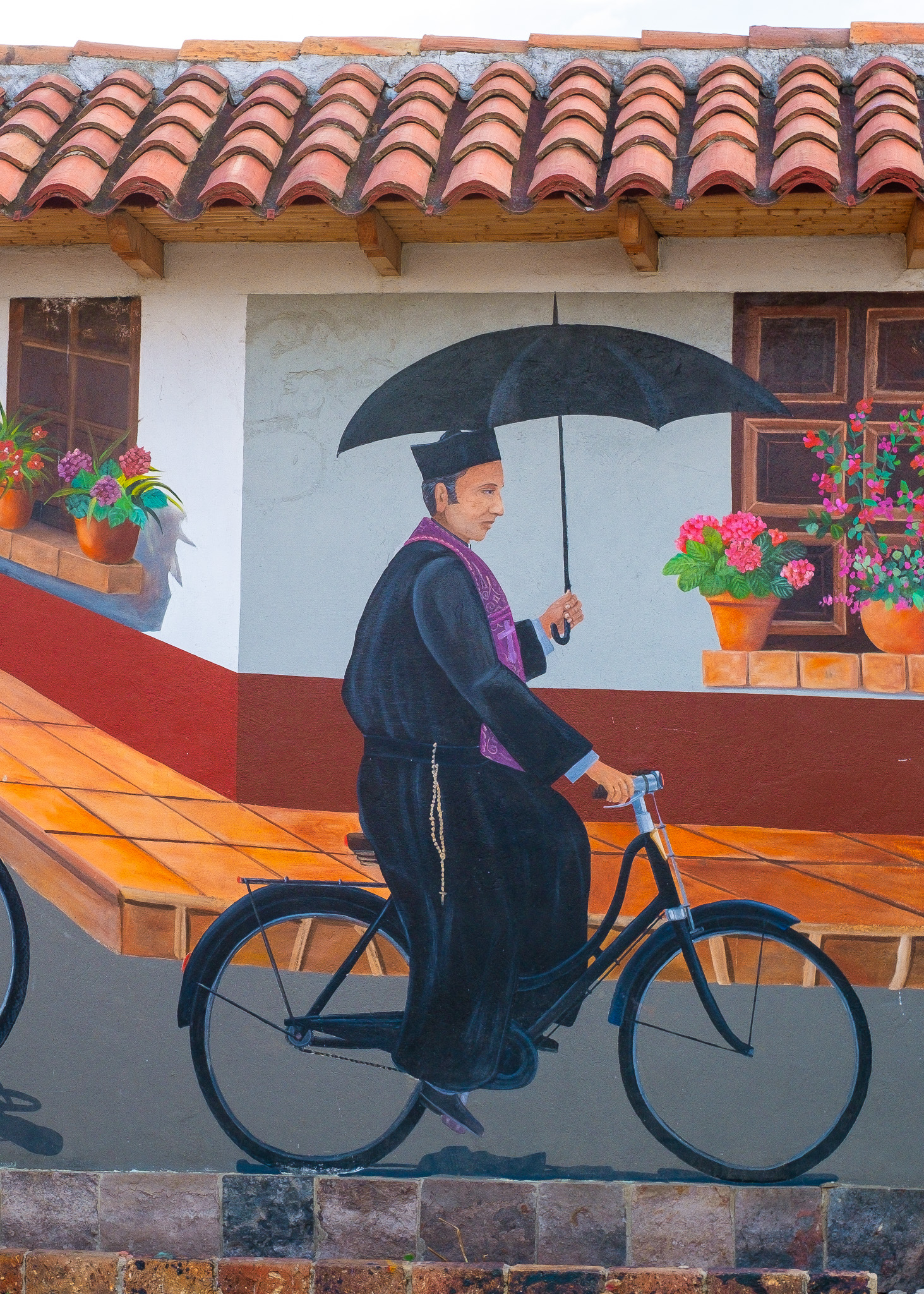
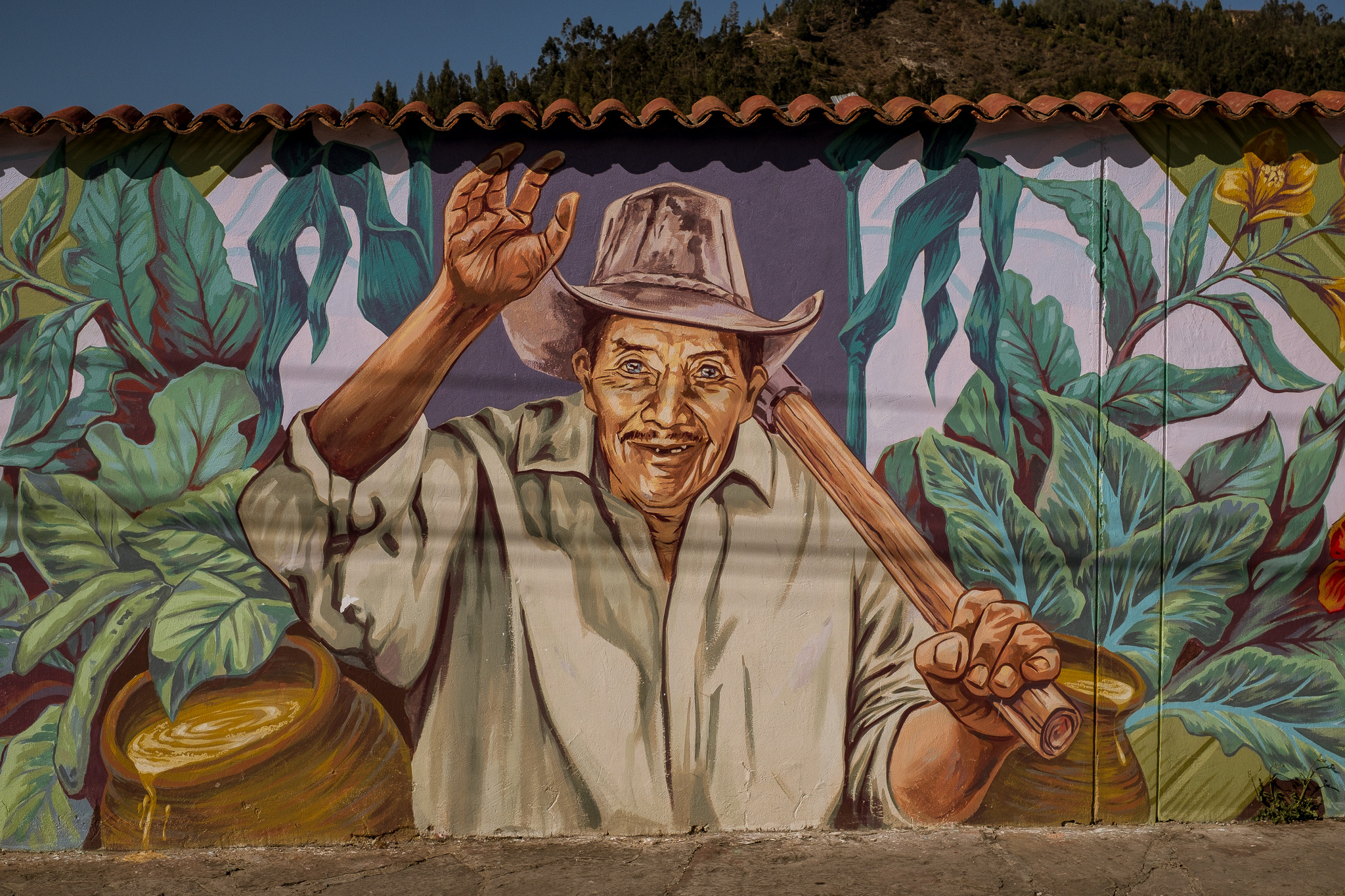
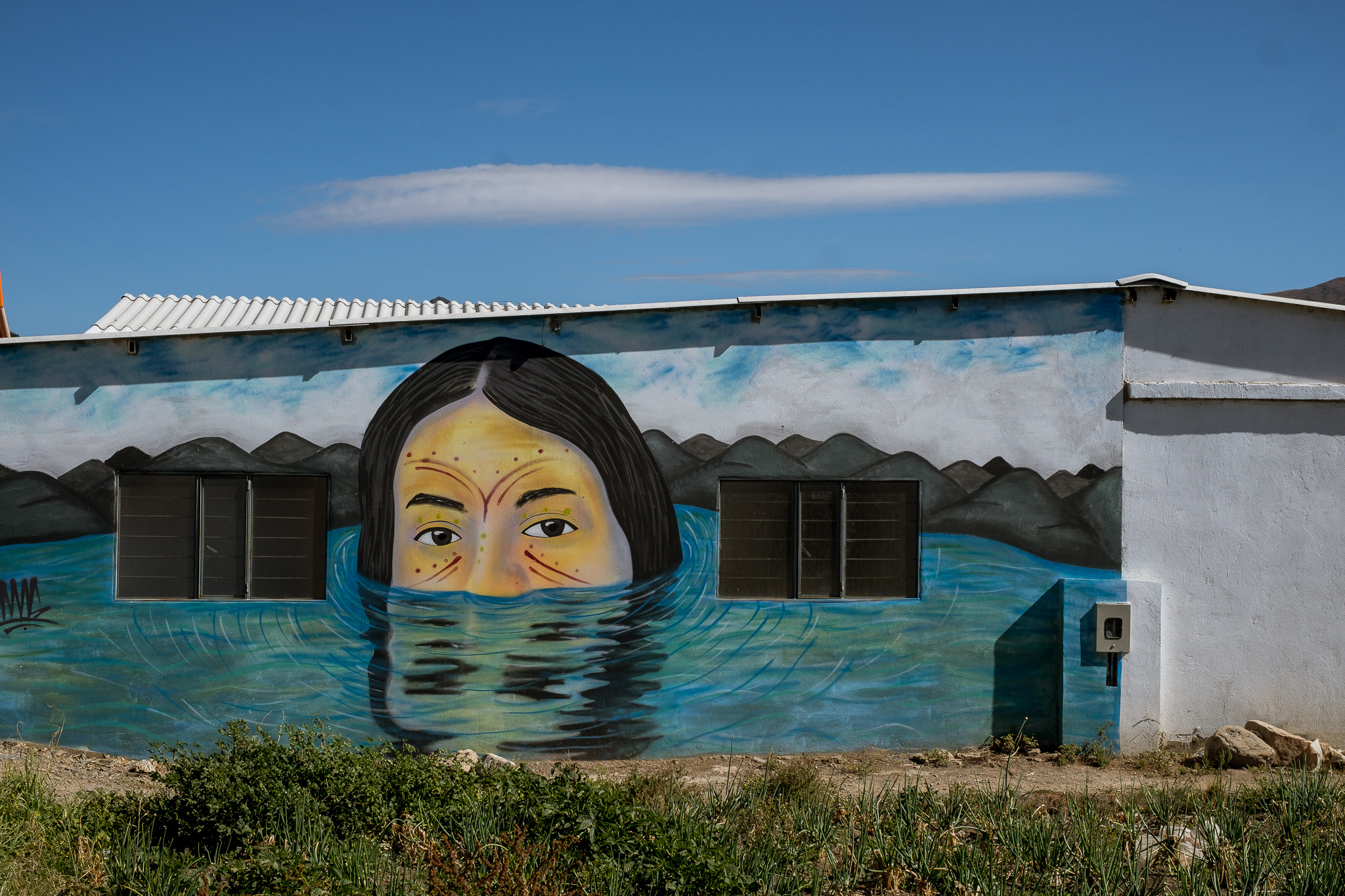
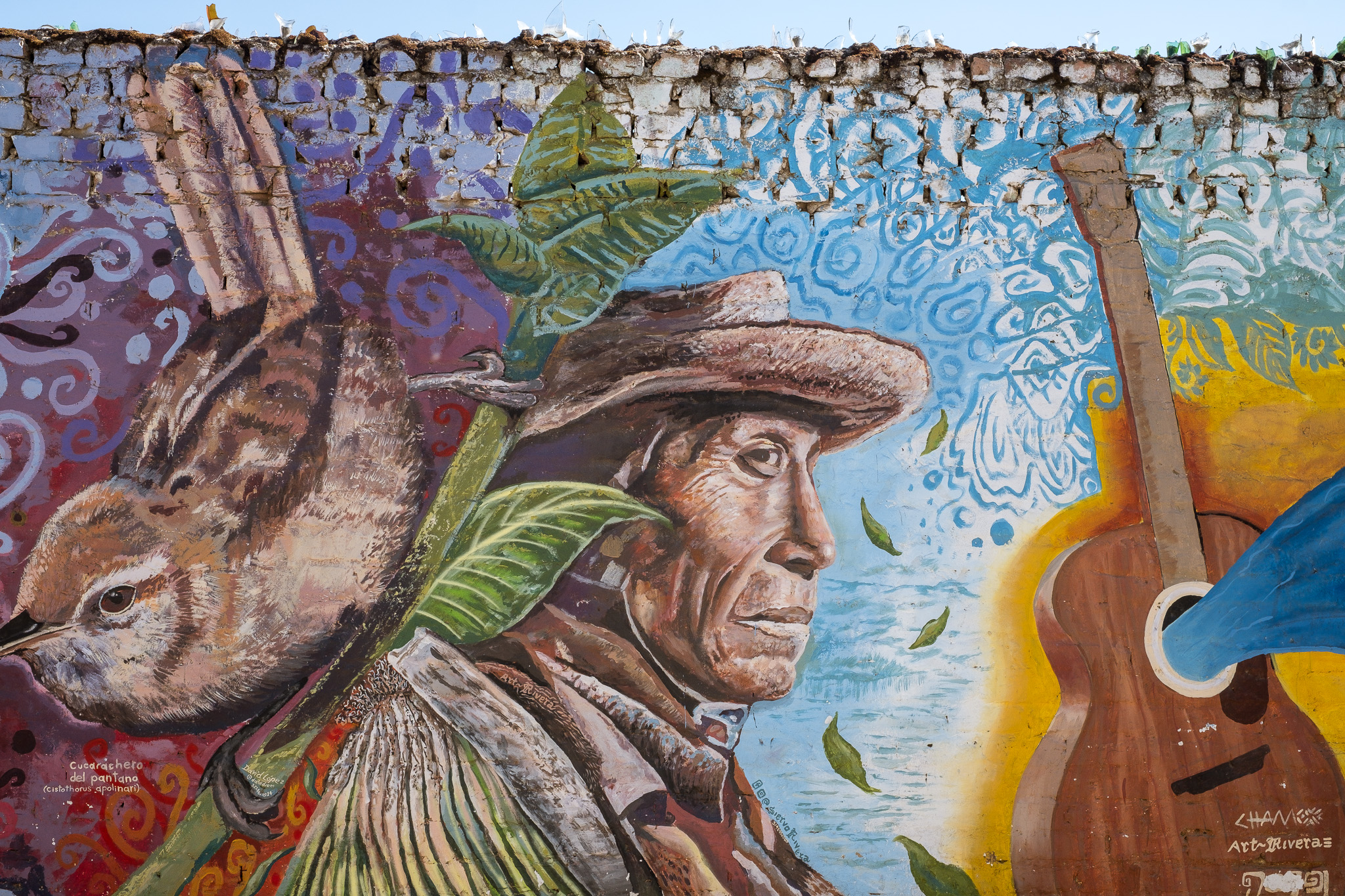
The villages of Boyacá at all manner of altitudes can be spectacular. They invariably have fantastic murals. Whether celebrating the land, indigenous culture, local people, or simply village scenes, the art you see is incredible. The most stunning mural for me has been the one at the top of this page, which was outside a tiny pueblo. But others are also impressive.

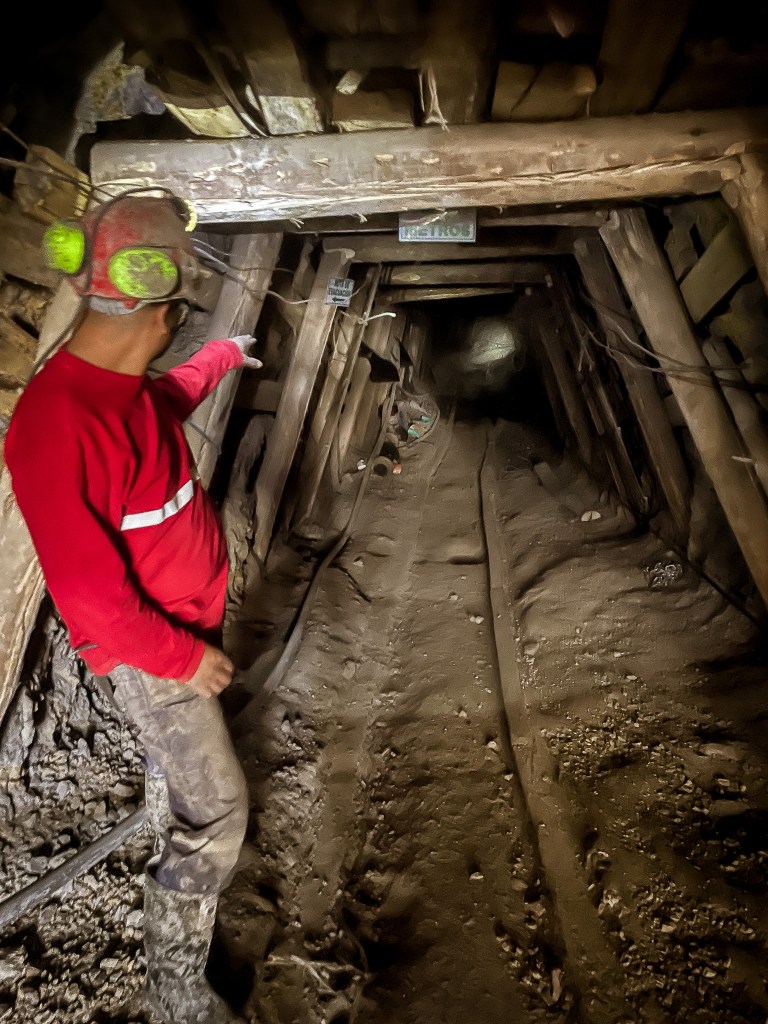
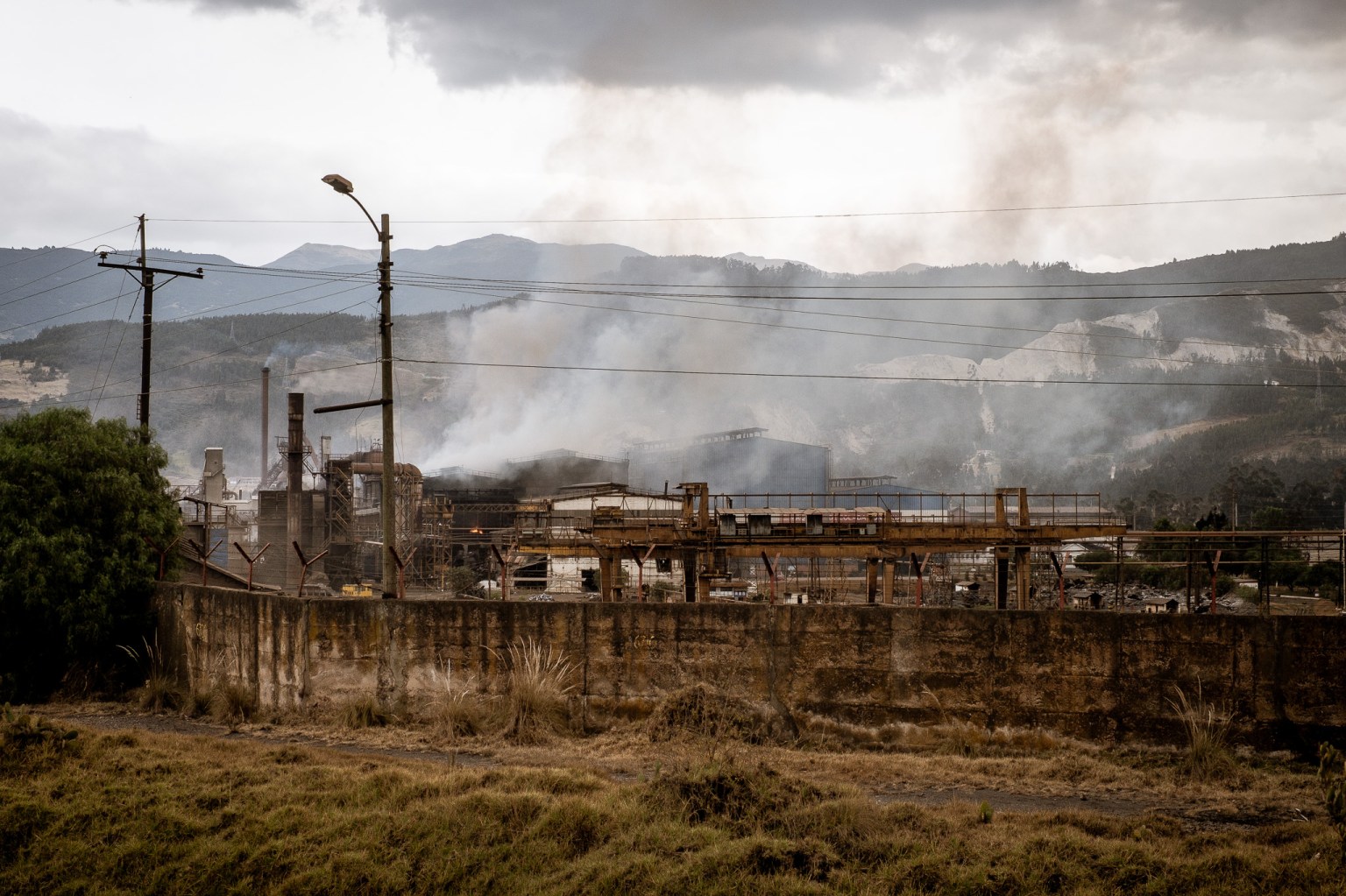
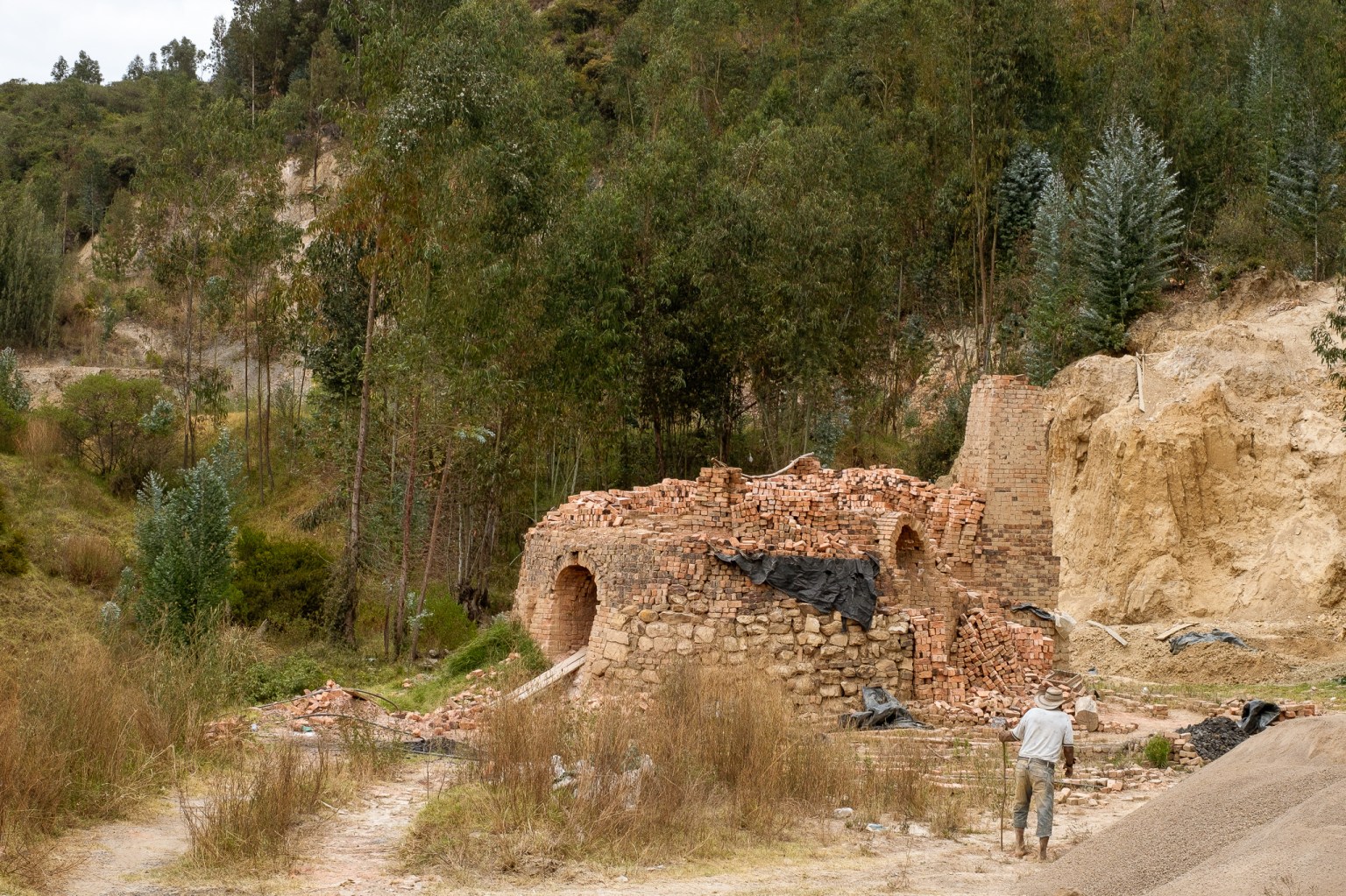
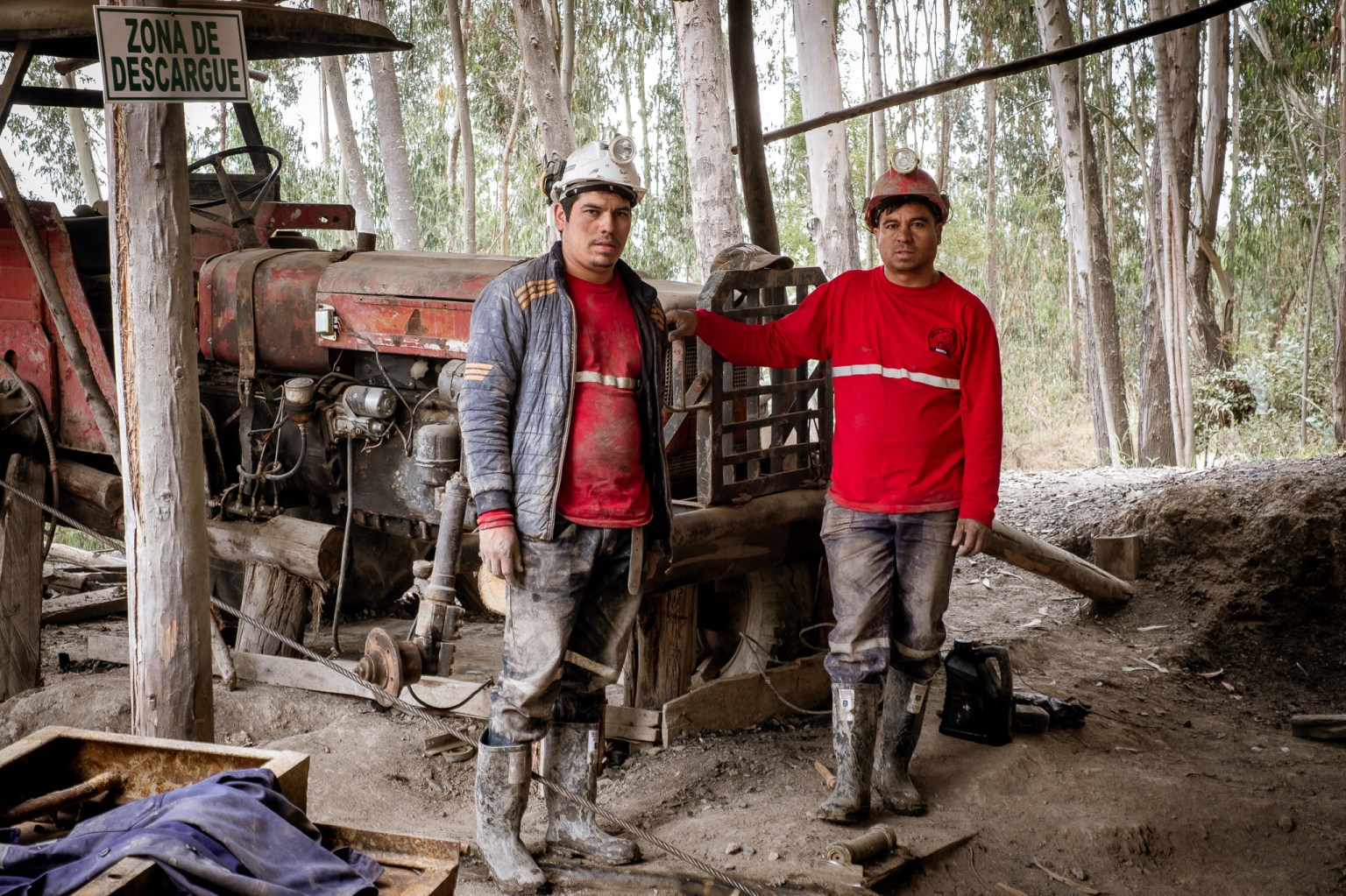
Of course in amongst the spectacular countryside, there are areas of industry. Some of it is on a tiny scale, such as manual coal mines or small brick kilns, but I also came across a huge steel works amongst beautiful mountains. Passing one of the small coal mines I was invited down some of the 200m shaft that is mined by hand by just two people. Apparently these are only ‘semi-legal’ and I can’t imagine that working conditions are that great.
One of the biggest surprises was Monguí, a village I’d heard of because it’s famous for production of footballs, both for the local and international market.
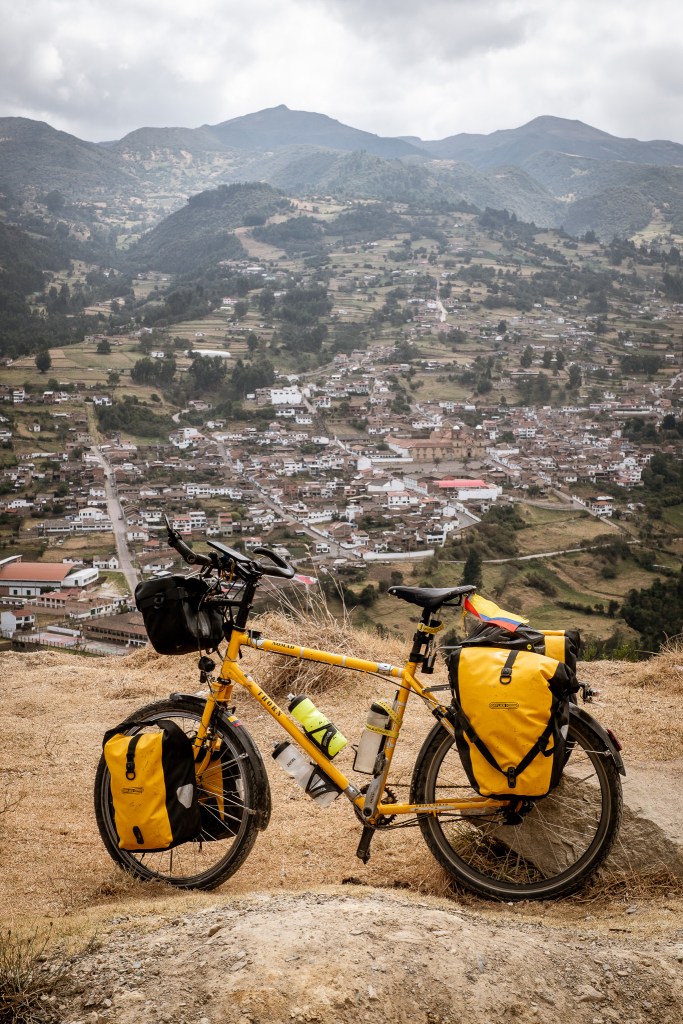
This small town (in the background in above pic), nestled in the moutains at 2800m asl, is rammed with tiny cottage-industry football factories. Full of shops that proudly display and sell their wares, they often have the production facilities out the back.
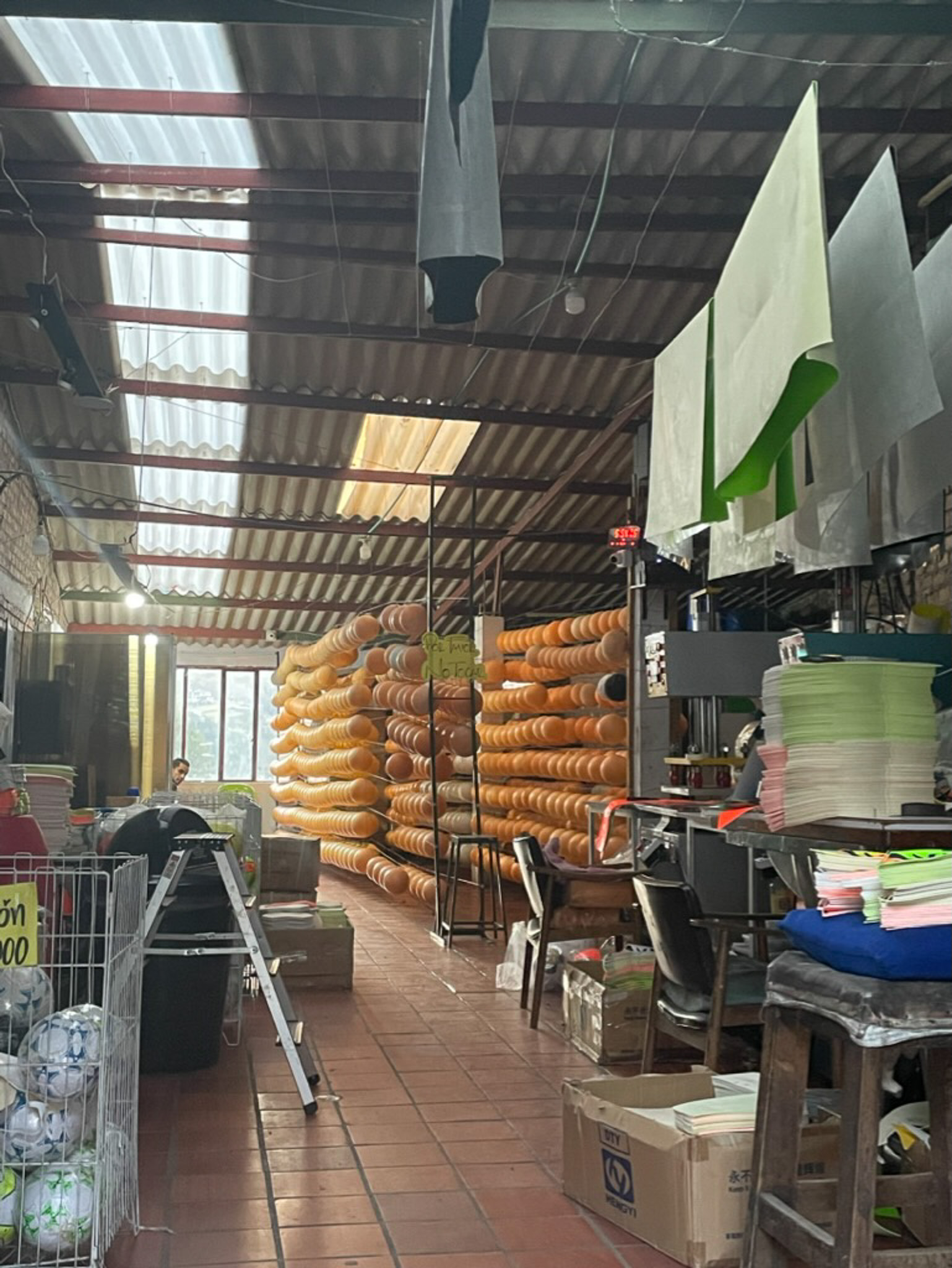
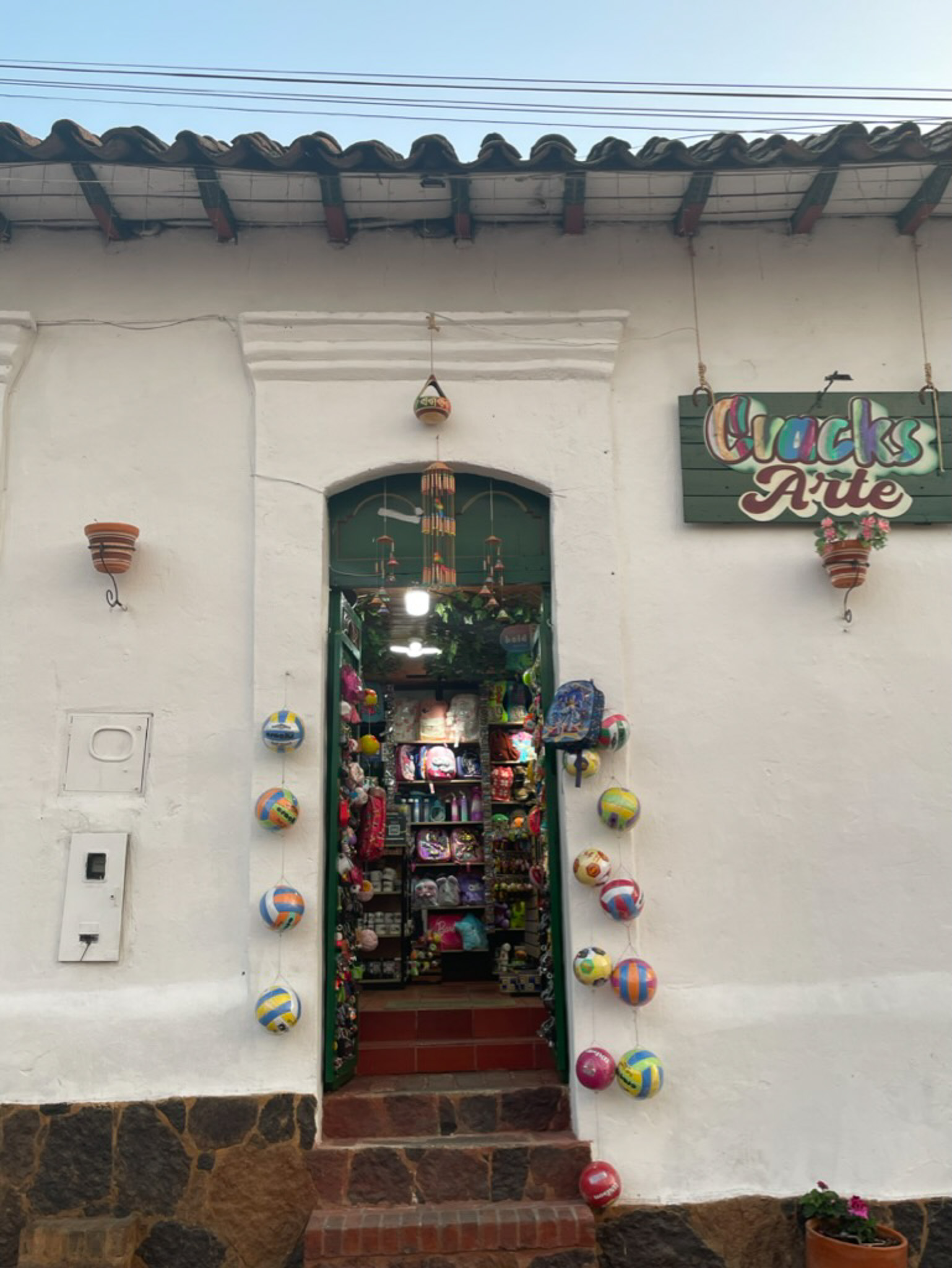
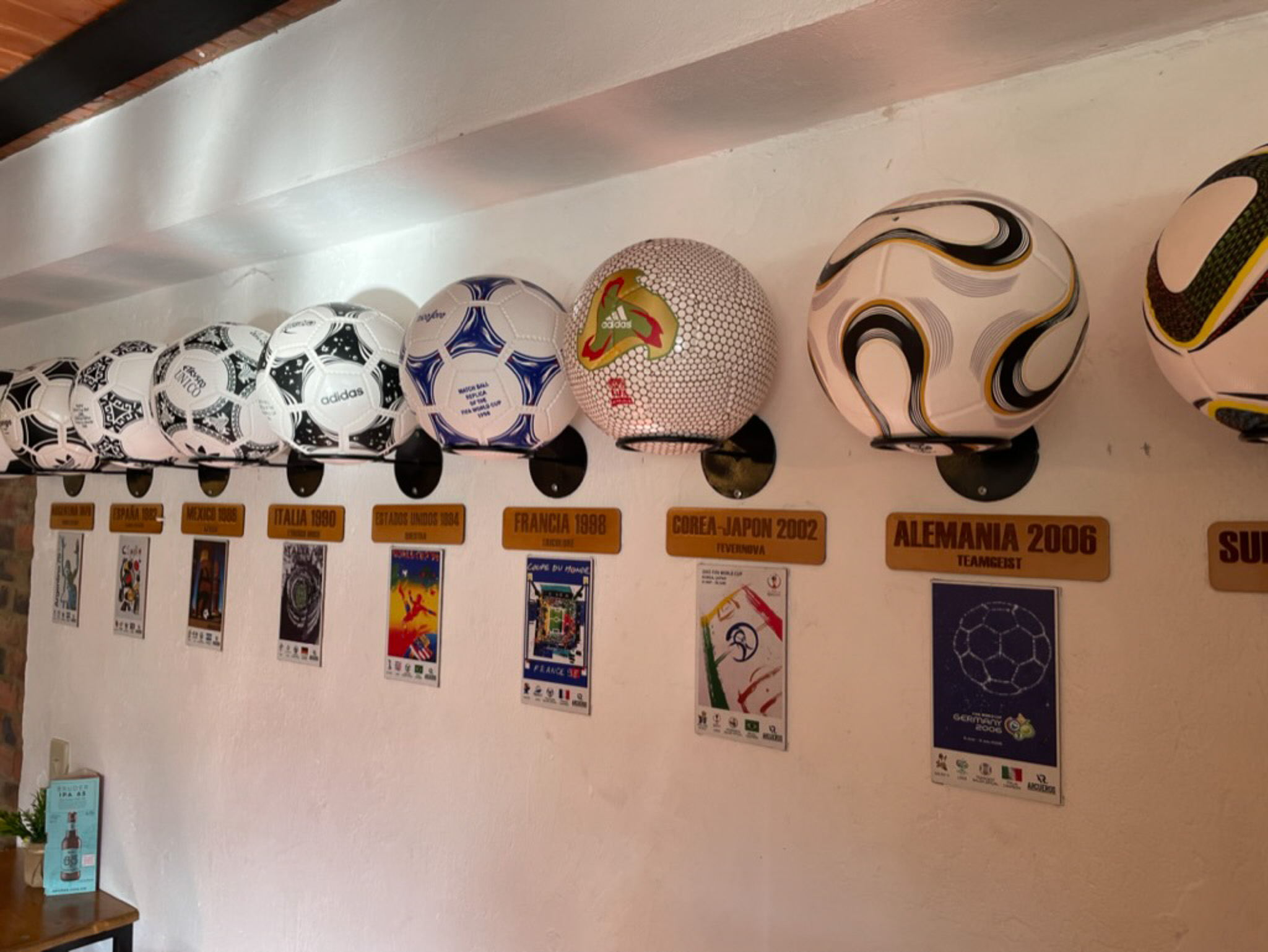
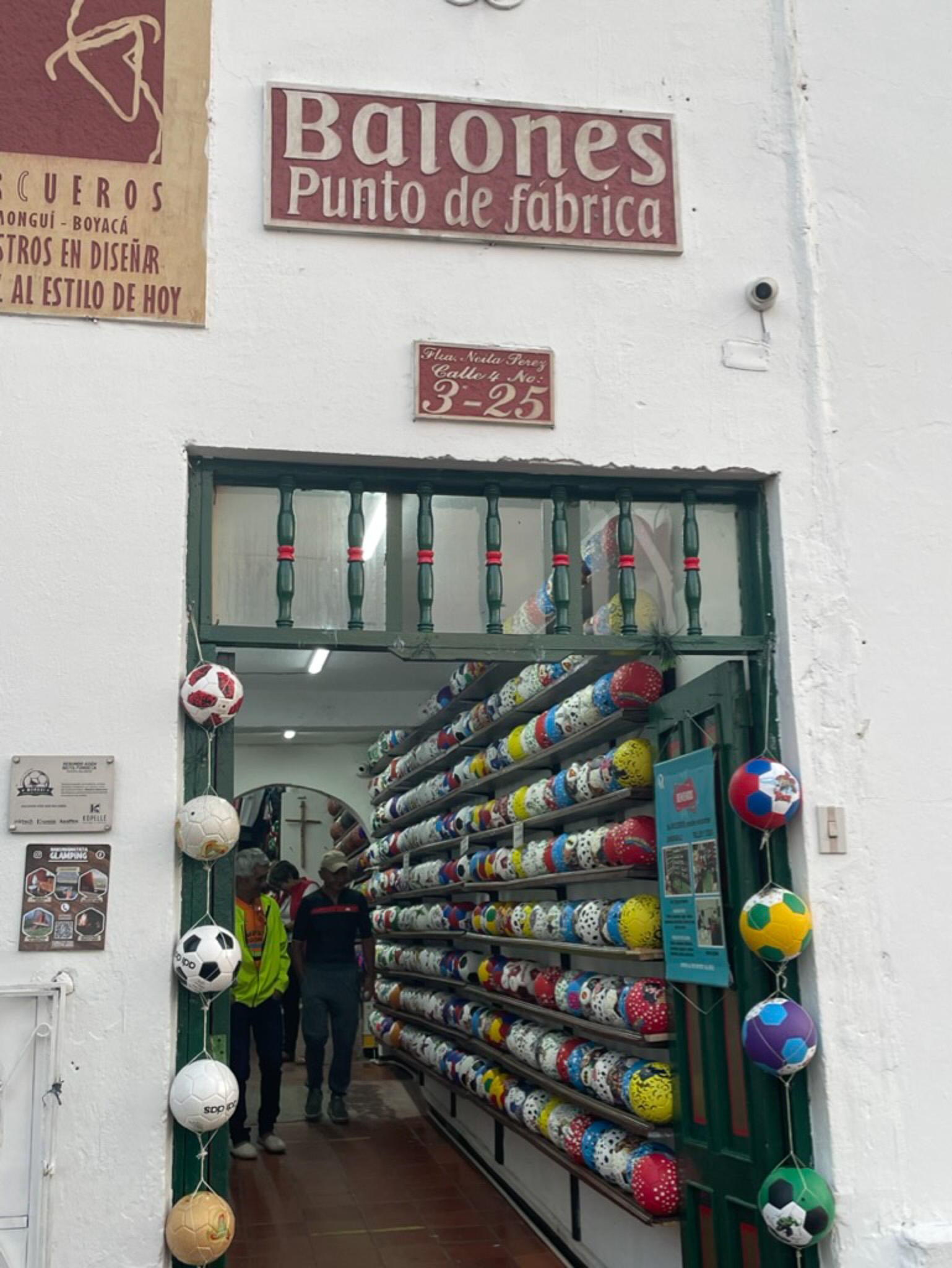
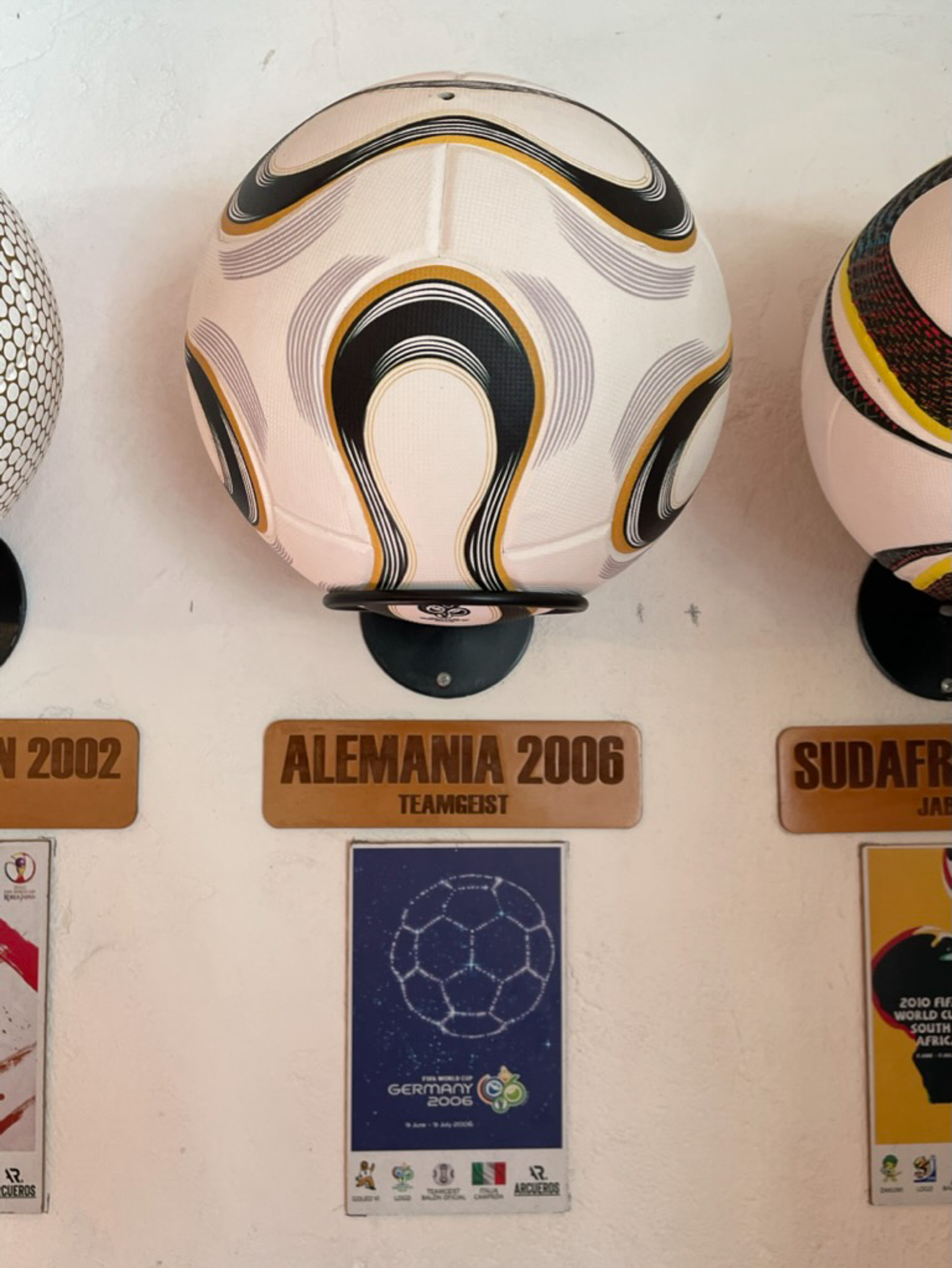
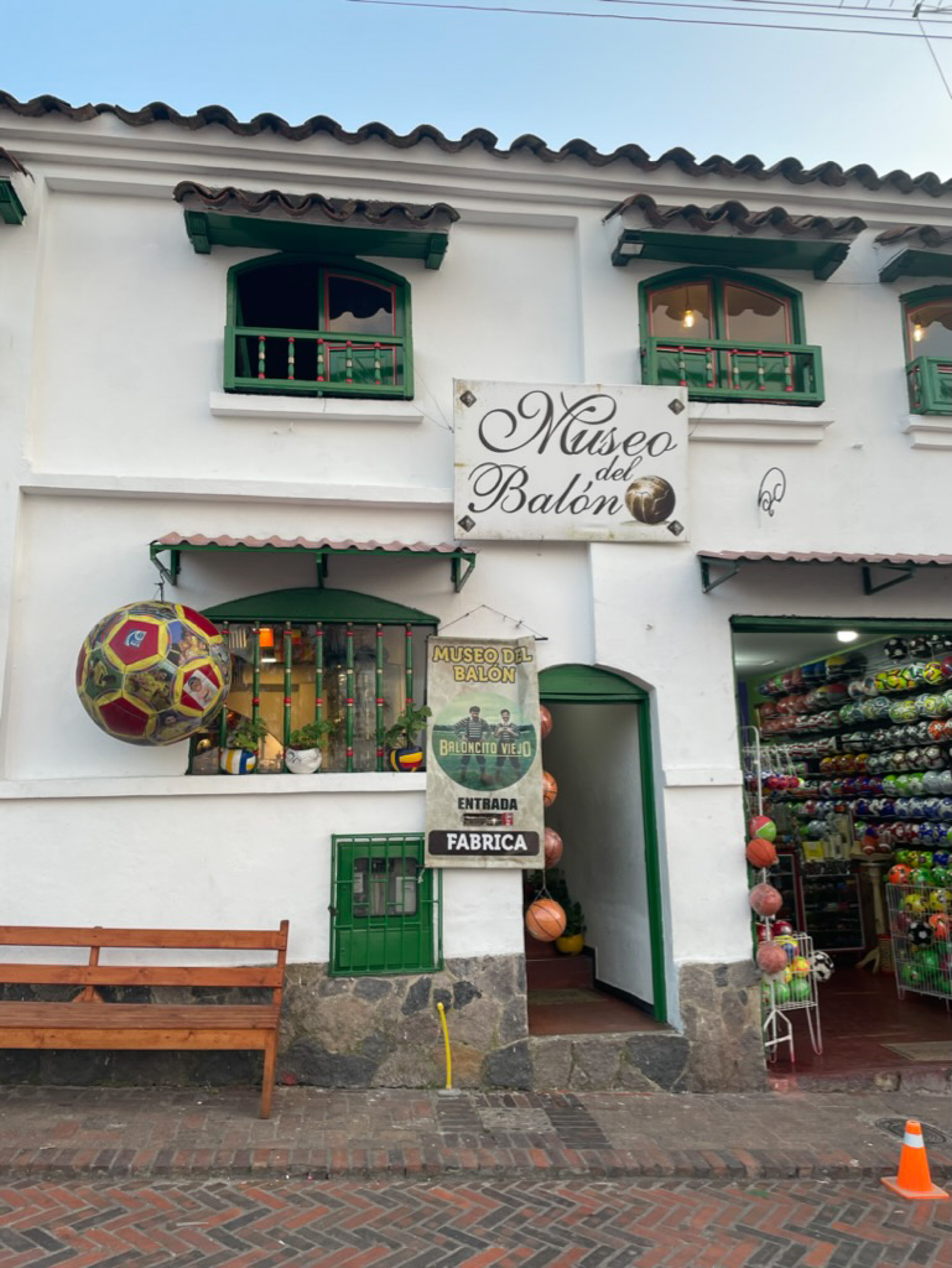
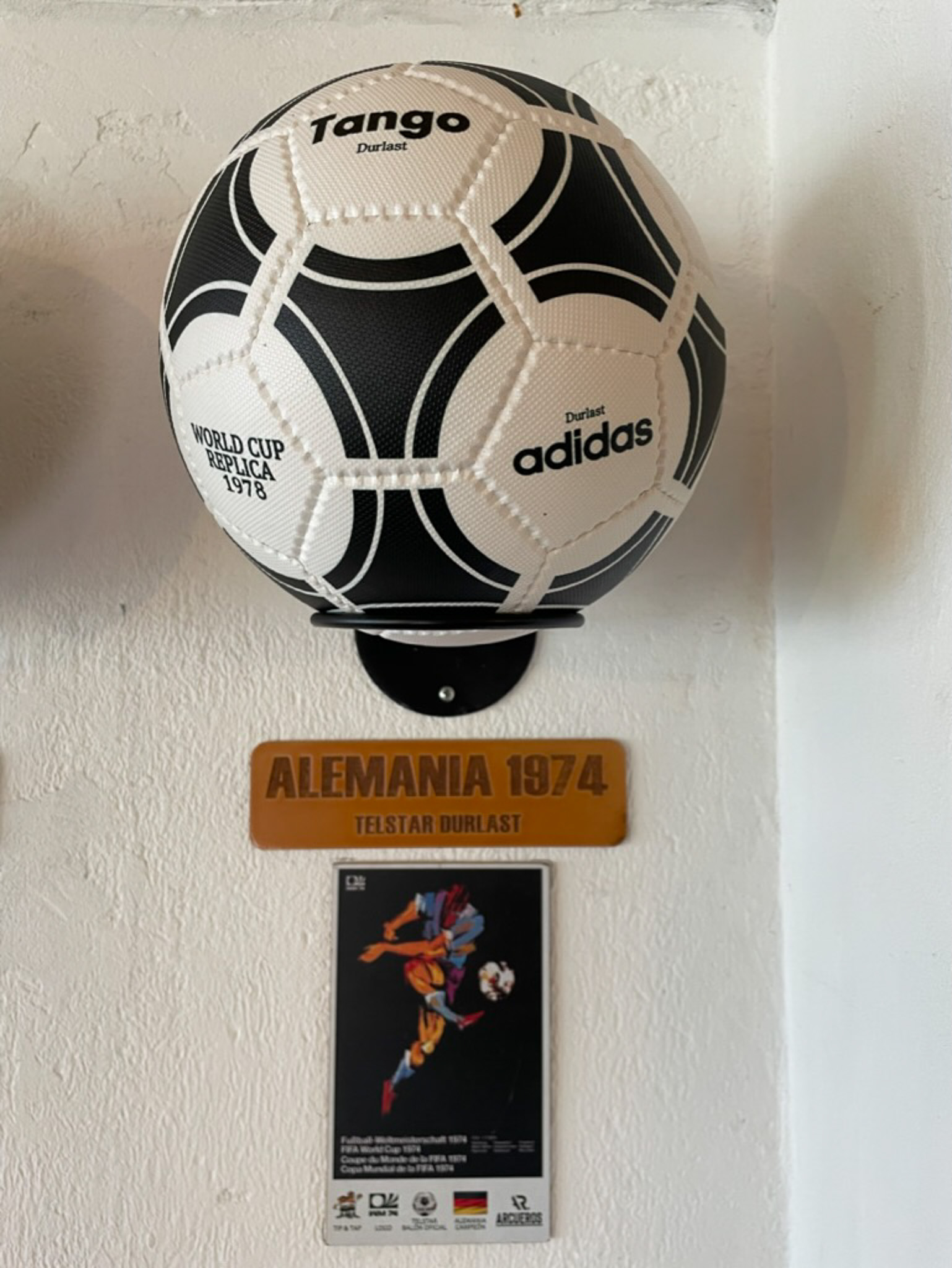
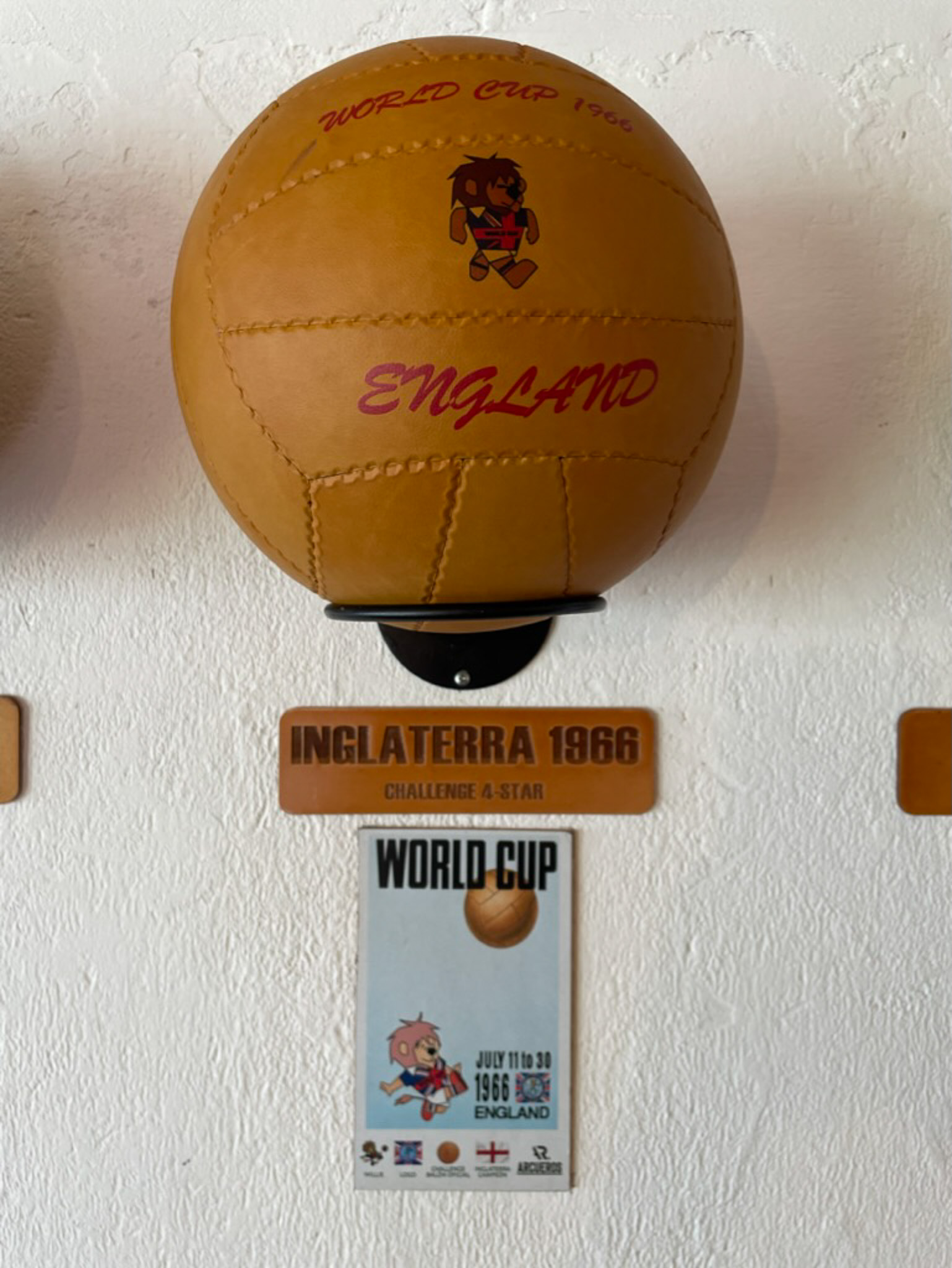
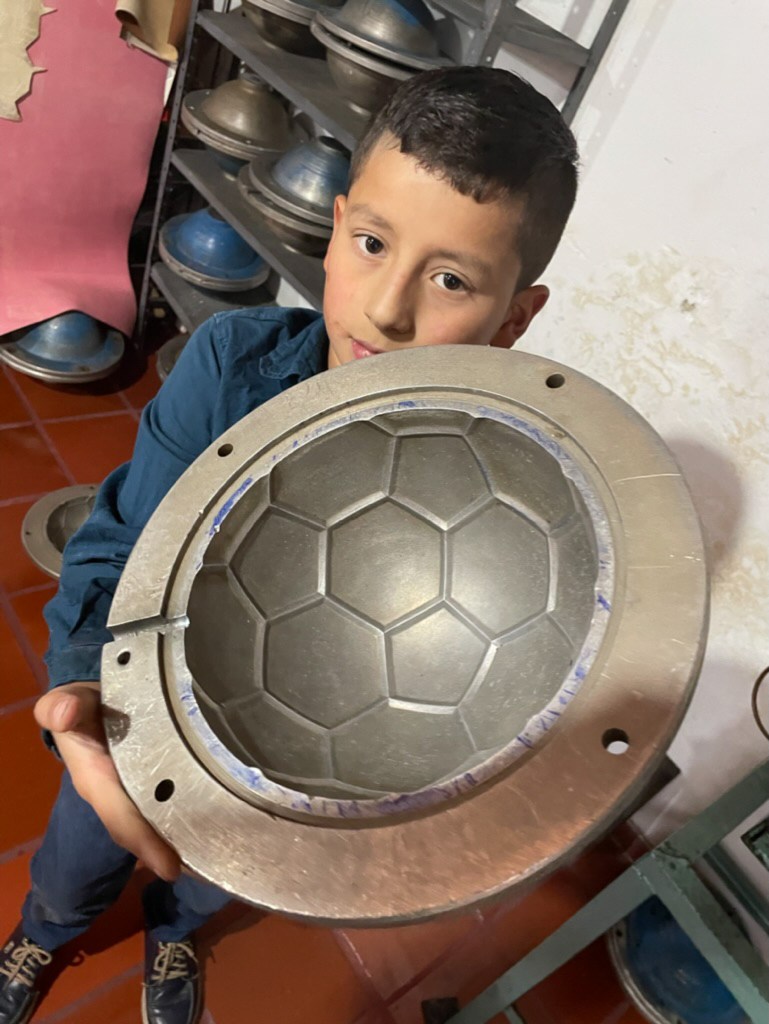
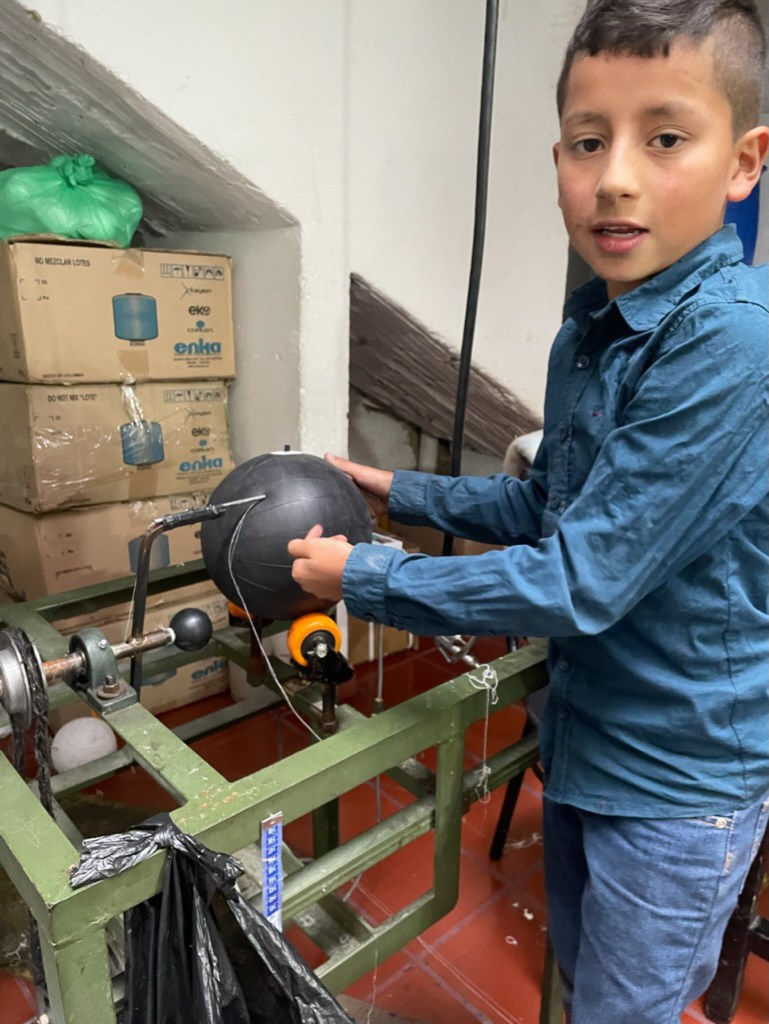
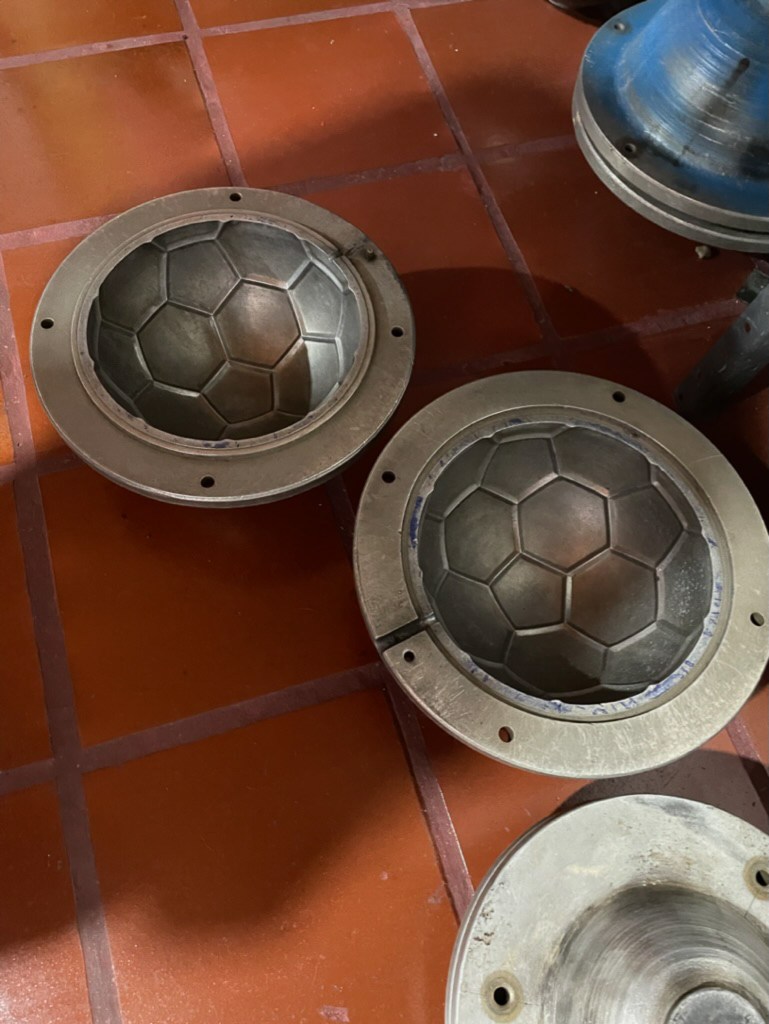
I was in a coffee shop when the owner’s son asked Mum’s permission to show me round one such factory at the back of the cafe. His confidence and enthusiasm was remarkable, as he proudly showed me the moulds used and colouring and stamping techniques. Needless to say, I didn’t understand the technical vocabulary used, but I don’t think he noticed. Thankfully he didn’t ask me any questions about the game, teams or footballers, or my cover would have been truly blown (I’m known for my lack of enthusiasm for all things football)!
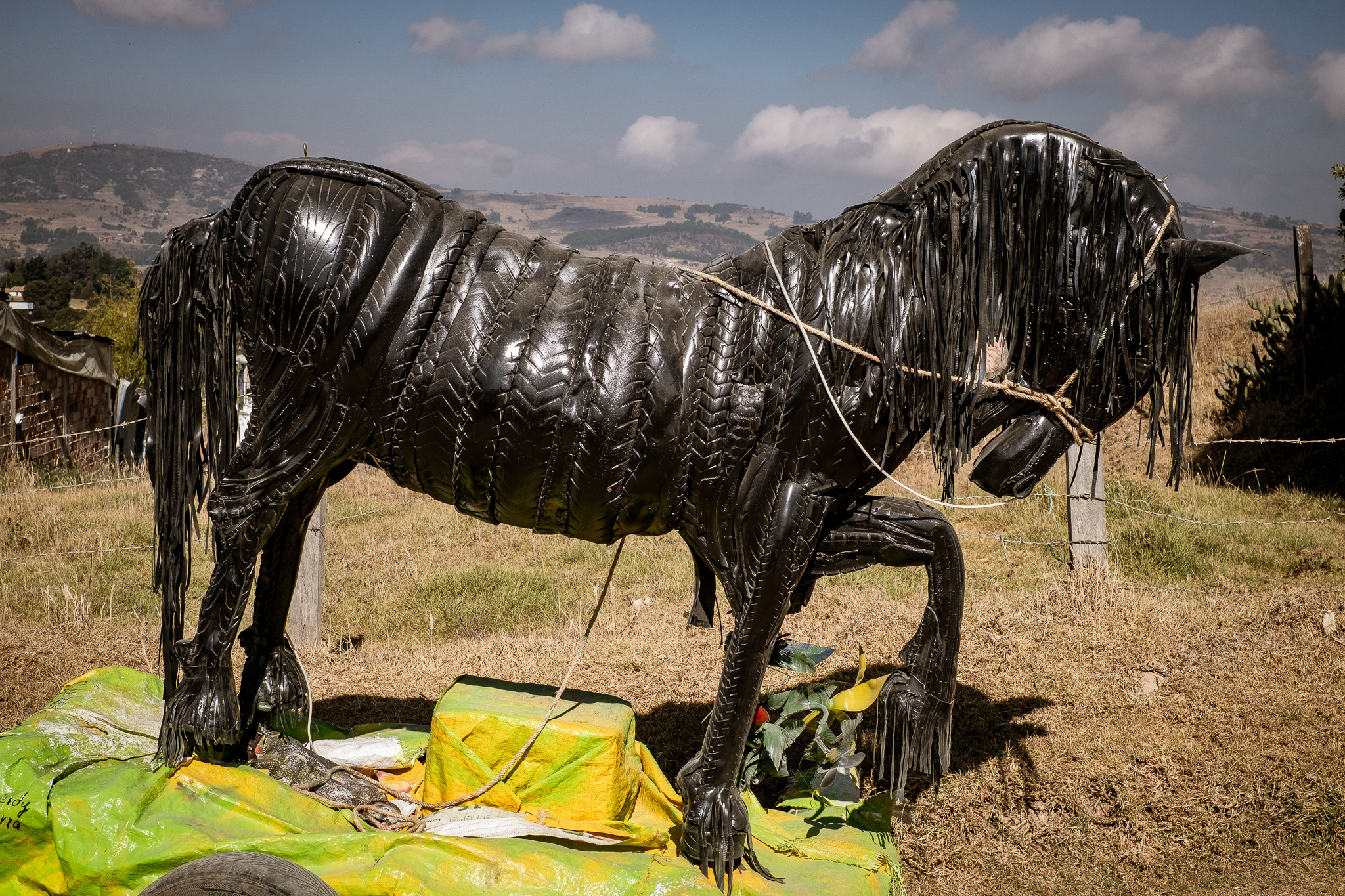
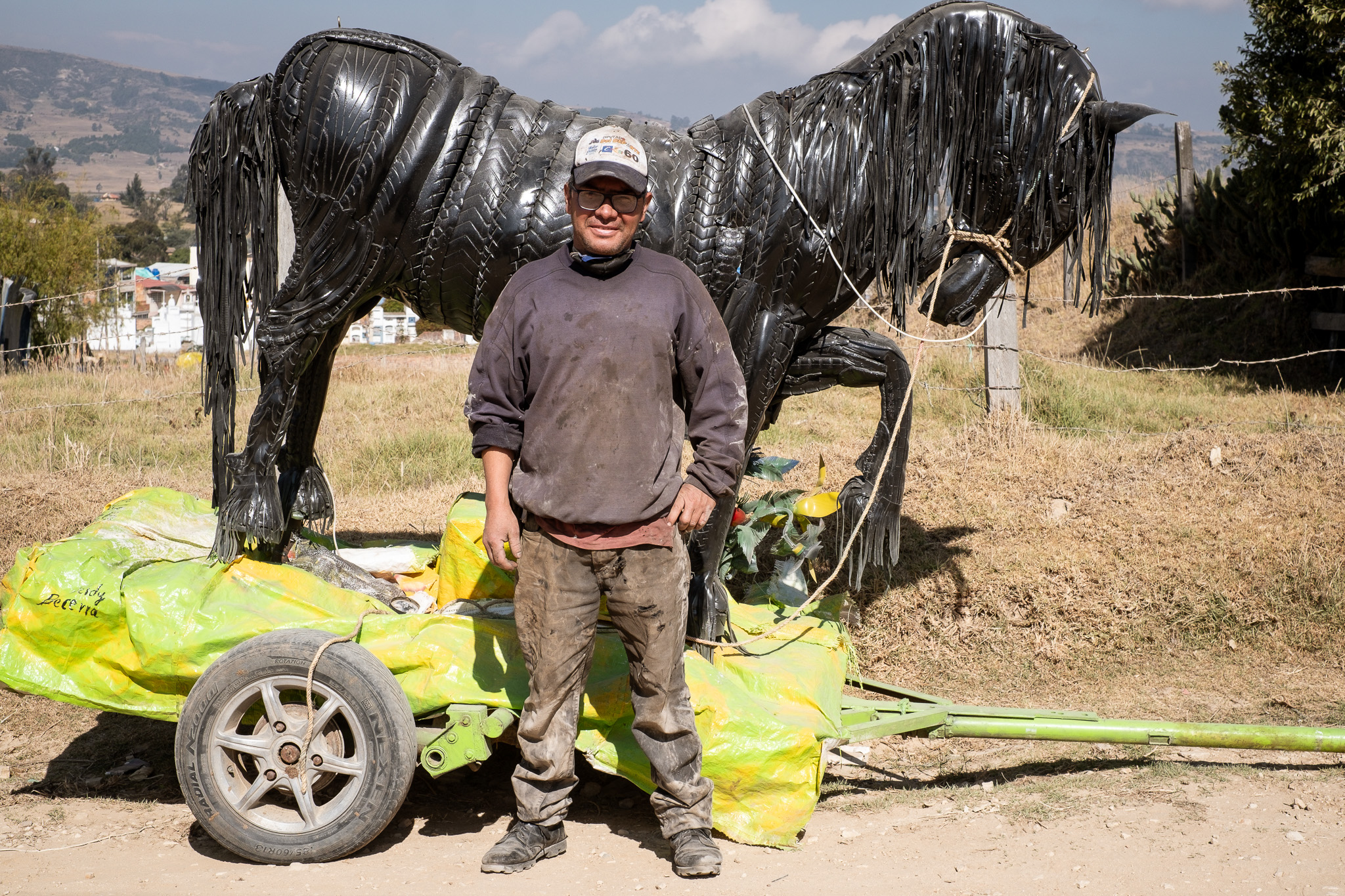
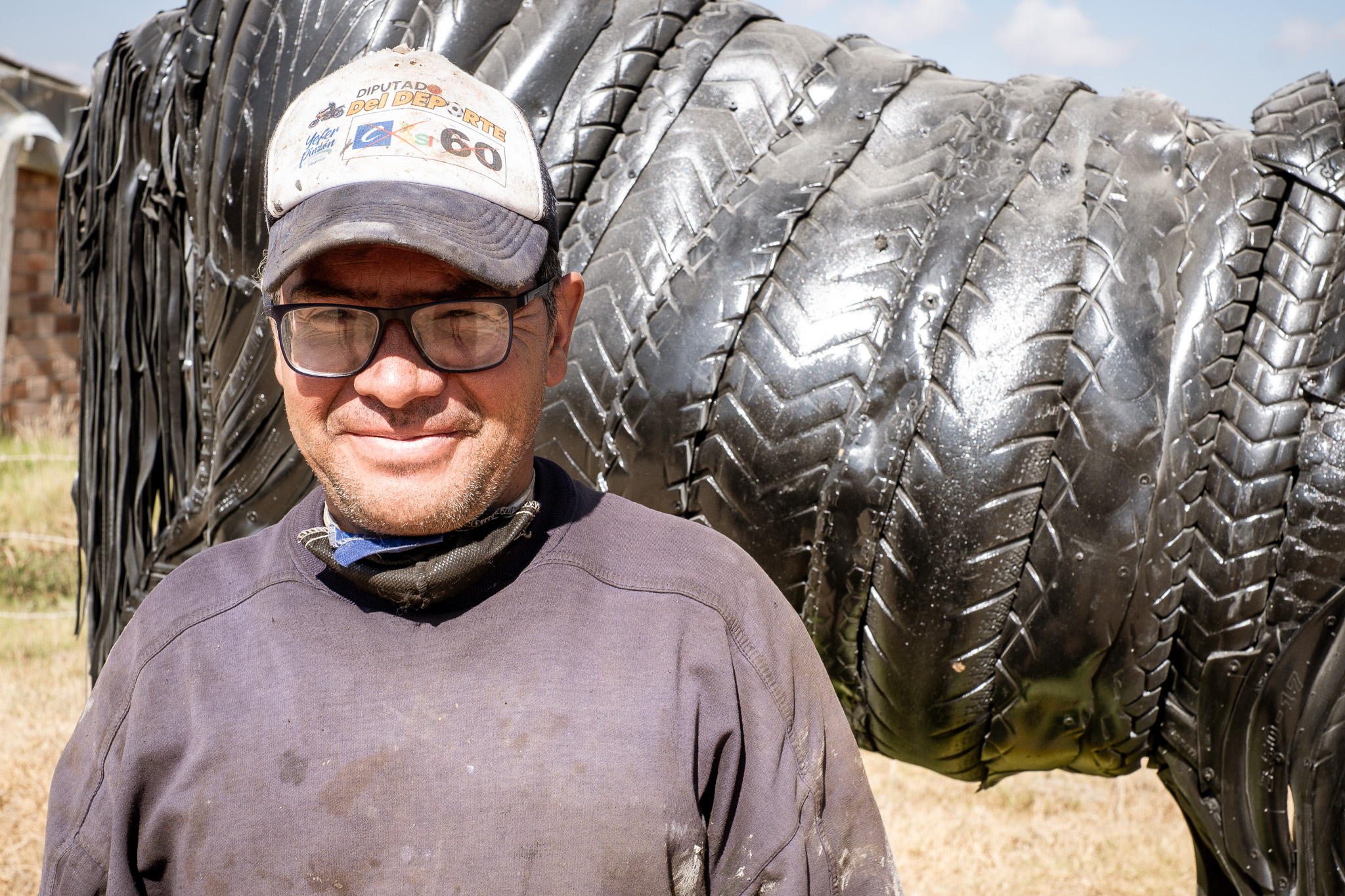
I also came across this guy at his workshop outside a small village. His sculpture of a horse was incredible, all made from old car tyres. The head of the horse even moved. As a friend of mine remarked, it may even have been better than the model used in the theatre production ‘War Horse’.
With these sorts of things, coupled with the spectacular scenery, Colombia continues to delight with every day on the bike here.
Best wishes to everyone, and as ever, thanks for being on the ride with me.
Stuart
 Nomad Stuart